


























Identity encompasses a lot of things: a person’s favorite things, what they like to do, who they are close with and where they live. Identity can also be shown through someone’s gender. One thing that some Americans struggle to wrap their head around is the concept of sex vs. gender and what it means to be transgender or trans. This disastrous disconnect, paired with general ignorance and emphasis on “traditional” values, is what leads to inadvertent and advertent transphobia — prejudice against transgender people.
So what is the difference between sex and gender? Sex is assigned at birth and is based on the scientific makeup of a person. Typically classified as male or female, sex is determined by chromosomes, hormones and anatomy. However, some people later learn they are intersex, meaning they have characteristics of both male and female sexes. Gender, on the other hand, is a social construct. It differs for people based on internal views of oneself, making it outside the reach of XX or XY chromosomes and can be expressed in a variety of ways. If someone’s gender matches the sex they were assigned at birth, they are considered cisgender. However, this is not the case for everyone. Transgender or trans people are people whose gender identity does not match that of the sex they were assigned. Transgender is an umbrella term, meaning that several gender identities fall under the definition of it. Some that are included under the umbrella are nonbinary, demiboy, demigirl, genderqueer, agender and countless more.
Oftentimes, when a person’s gender does not match their sex, they experience dysphoria. According to the nonprofit Advocates for Trans Equality, dysphoria is medically diagnosed as a “great emotional distress” caused by the distinction between your internal interpretation of gender and how people perceive you. There are multiple types of dysphoria, including body, social and psychological dysphoria. Being transgender does not mean someone is sick, but the distress that comes from navigating their gender identity can cause a need for aid.
However, a lot of this aid is restricted from transgender people, and the ways they can interact with the world, such as what public spaces they can use, have become extremely limited throughout the years due to state and federal restrictions. These limitations result in the rights of transgender citizens being threatened by their own government.
Healthcare Laws
In Tennessee, there are no shield laws to protect against discrimination in the doctor’s office or insurance companies, which means that a lot of the time, transgender individuals live in fear of medical discrimination. According to the Center for American Progress, 29% of transgender people nationally reported that they were refused to be seen by a doctor and denied healthcare from a provider. Of those who could find a provider, almost a third experienced harassment in the form of intentional misgendering or verbal abuse.
Across America, there has also been a growing number of bans on accessing Gender Affirming Healthcare (GAHC) for young transgender individuals. GAHC helps transgender people’s gender identity match their physical presentation. For example, many transgender individuals undergo Hormone Replacement Therapy (HRT). For individuals who were assigned female at birth (AFAB), HRT allows them to introduce more testosterone into their bodies and can lead to the development of traits such as growing body hair, voice deepening and muscle growth. On the other hand, for those assigned male at birth (AMAB), HRT increases estrogen in the body, promoting breast growth, softened skin and reduced body hair. Of course, there are other forms of GAHC, including gender affirming surgery, voice therapy or puberty blockers for teens.
GAHC has extremely beneficial mental health effects on transgender people, especially youth, according to a study by Stanford Medicine. Decreased depression and suicidal thoughts in teens have been recorded, along with general increased life satisfaction. When transgender teens can take hormones at a younger age, they can go through puberty and more easily have physical characteristics that match their gender, causing these improvements.
So, when 27 states refuse to allow youth to have access to GAHC, and when 24 of those make it dangerous for doctors to help, a fundamental problem occurs. One of these states is Tennessee, where transgender youth cannot receive adequate healthcare even with parental and doctoral consent. The irony of the situation is that these laws, which supposedly are intended to “protect kids,” are against the advice of the American Medical Association and the American Academy of Pediatrics, who both advise that youth have access to hormone therapy and puberty blockers.
Bathroom Laws
Fear around transgender people has caused 12 state legislatures to ban transgender people from accessing the restrooms that align most with their gender identity. These arguments are made on the basis that allowing transgender people in the bathroom that matches their identity would cause more cases of assault. However, as found by the School of Law Williams Institute, “Inclusion of gender identity in non-discrimination laws does not affect the number or frequency of criminal incidents in restrooms, locker rooms and changing rooms.”
Furthermore, when transgender people are forced to go to the bathroom that does not match their gender identity, there are negative internal effects for them. According to the National Library of Medicine, for those who are forced to use the wrong bathroom, more depressive moods were recorded. These moods are also linked to how oftentimes transgender people are denied access to this restroom, too, as well as sometimes verbally or physically harassed. These negative experiences lead a lot of transgender individuals to avoid public restrooms altogether.
Despite the negative impacts of banning transgender access to their respective bathrooms, the state still favors the stigmas and misinformation that are being spread rather than the facts being studied.
Employment Laws
In 2020, transgender citizens won a tremendous victory in the Supreme Court case Bostock v. Clayton County, which outlawed workplace discrimination for members of the LGBTQIA+ community. Despite this ruling, transgender citizens often face hiring discrimination, verbal insults and physical or sexual harassment. According to the “LGBT People’s Experiences of Workplace Discrimination and Harassment” study by the Williams Institute, more than 40% of transgender people have experienced some form of harassment in the workplace. Harassment is especially common for transgender people of color, who are roughly 7% less likely to be hired than white transgender people.
Tennessee has also passed laws preventing local governments from passing future nondiscrimination laws, paving a path for more instances of harassment and discrimination to happen within the state borders.
School and Youth Laws
Anti-trans legislation is especially targeted at transgender youth. One hot topic for debate is trans participation in sports. Tennessee is one of the 21 states that prohibit transgender youth from participating in sports teams that are consistent with their gender identity. By excluding them from these opportunities, transgender students are further isolated in a world where they can already feel lonely. Growing up and participating in extracurricular activities like sports is a formative part of childhood for many people. By denying transgender kids the opportunity to play, they are stripping them of the option of pursuing something that could give them joy.
Another failing of Tennessee is the law that forcibly ‘outs’ transgender students. Under Tennessee legislation, teachers and the administration of schools are required to inform parents if their students want to go by different names or pronouns. This rule has the potential to be dangerous, especially in the American South, where transphobic views can lead to bad situations at home, or worse, the student getting kicked out. According to the Homelessness Report by the Trevor Project, transgender youths are 10% more likely to experience home instability or homelessness, a lot of which can be attributed to being abandoned or running away.
Other Laws and Restrictions
To make matters worse, even more anti-trans bills are being passed across the country. In Kansas, transgender people’s driver’s licenses have become invalid with little warning. If found driving with an invalid license, these individuals could be fined or experience other consequences. Under President Donald Trump’s Executive Order 14183, all transgender people have been removed from the military, leaving thousands unemployed and without the government healthcare benefits they were previously receiving.
With thousands of proposed bills across the nation, it can become overwhelming for people to keep track of what they can and cannot do. They should not have to.
Trans Bill Of Rights
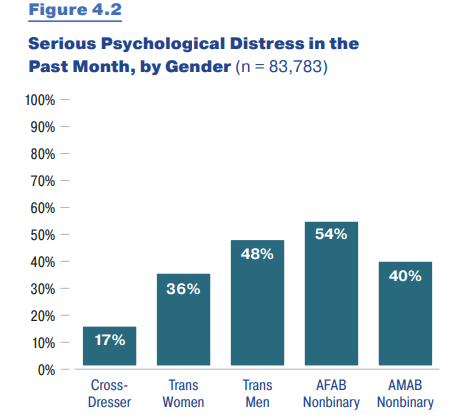
Despite all the negative laws pushing through, there is a flicker of hope. On Feb. 11, 2026, the Trans Bill of Rights was reintroduced to Congress. This bill aims to amend the Civil Rights Act of 1964 to include gender to protect students from discrimination, making it illegal to discriminate against transgender people in healthcare, housing and credit. It would also recognize the right to GAC and much more. The proposal of this bill is mainly in reaction to the heightened mental health concerns as a direct result of the legislation in recent years. In 2025 alone, there were 1,022 bills proposed against transgender citizens. This bill will protect transgender individuals’ basic human rights in America.
Advocating Further
Action must take place not only in workplaces or medical spaces, but also in the language that transgender people’s peers use. Asking for someone’s pronouns, being mindful about using more gender-neutral language and being generally more educated on the topic can go a long way. Also, being less invasive with questions and knowing what is appropriate to ask transgender peers is something to consider, as well as supporting trans-owned businesses, transgender artists, leaders and nonprofits. On a political level, attending protests to fight for the rights of transgender citizens or contacting local representatives is another way to help.
Even though transgender people represent a small minority of people, they are being targeted and treated like a threat rather than the human beings they are. These malign laws allow for the flourishing of transphobia and for a tradition of hurting some of society’s most vulnerable to continue being the norm.
In everyday life, transgender people deserve respect and to be recognized as who they are.