















Within a short drive, students can see the location of Martin Luther King’s assassination or stand where enslaved people escaping via the underground railroad once stood. Despite the rich history of Memphis, many students are often unaware of it because traditional history classes tend to focus on global and European history.
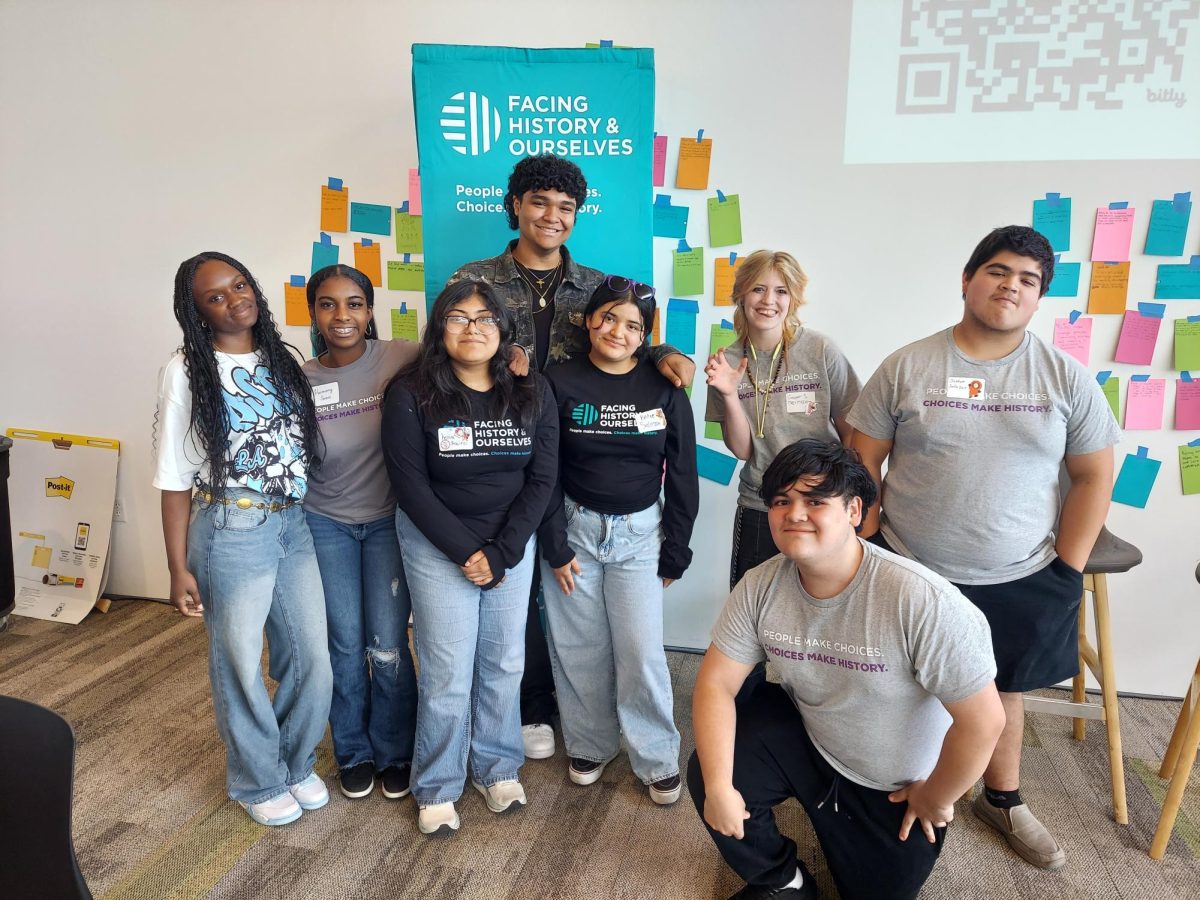
Facing History and Ourselves (FHAO) is a club and class that teaches students history specifically through examining the choices of people throughout history and how those choices led to present circumstances. While the FHAO class focuses on the Holocaust and Armenian genocide, the club explores a wider range of topics, including those closely related to Memphis history like the Civil Rights Movement.
“The Facing History Club is a club of students whose goal is to see how they can improve the communities that they’re in,” club sponsor Kyle Tingley said. “By learning from the choices that people have made in the past and those impacts, to see how can we make … our communities better. We look for meaningful ways to build a sense of community here on campus. We also team up with other Facing History clubs from across the city to do the same.”
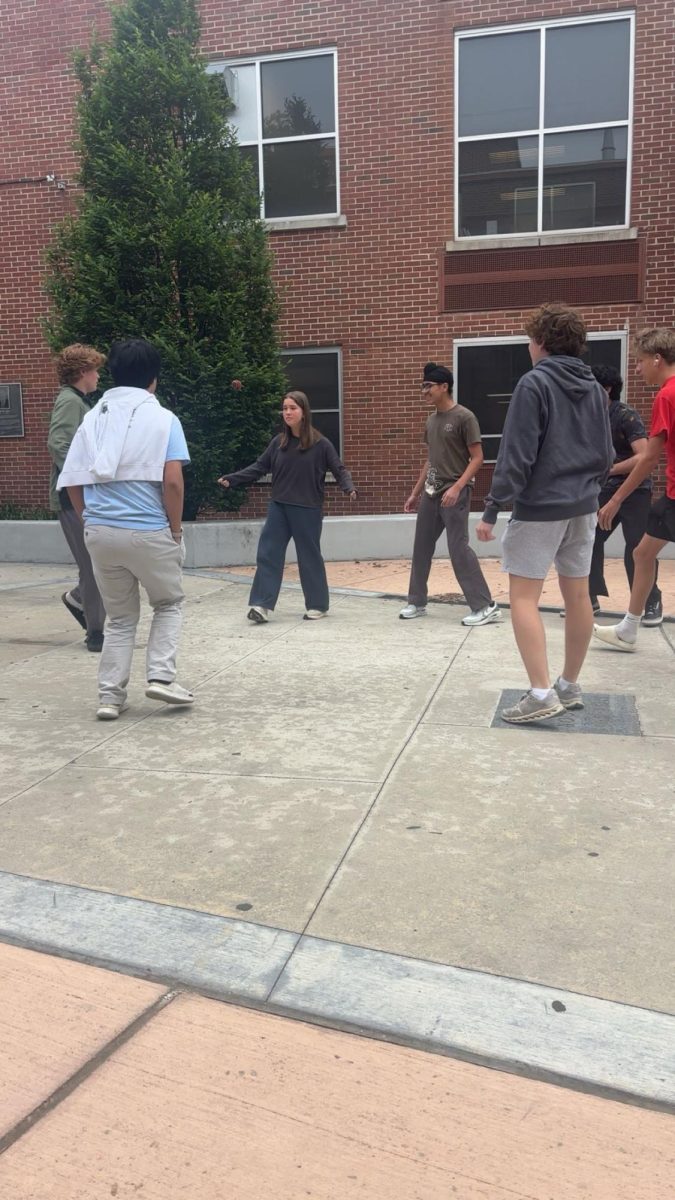
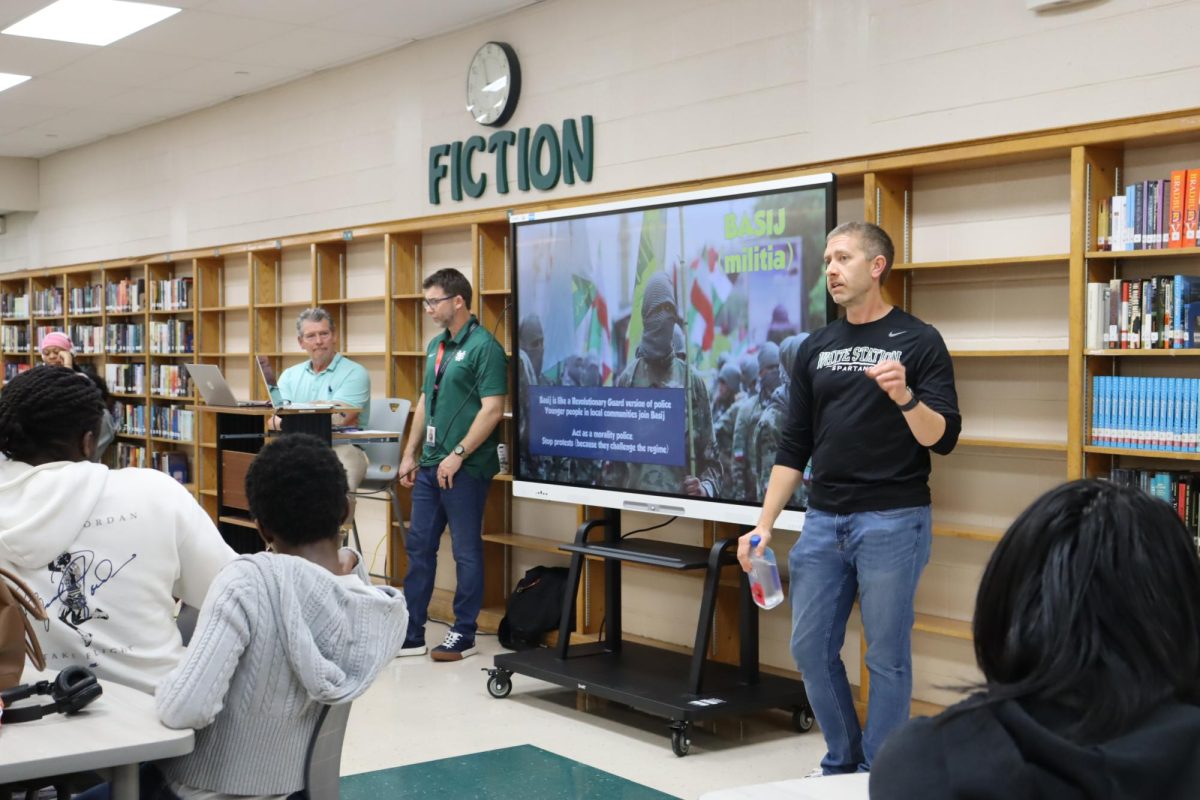
The FHAO class at White Station High School is taught by Tingley and Alissa Burlison, who also co-sponsor the club. FHAO club members and students taking the class have opportunities throughout the year to go on field trips where they may explore a historical sight in Memphis or attend a talk given by a historical figure like a Holocaust survivor and learn about the history of these people and places. While exploring these complex subjects, students learn tools and strategies to facilitate potentially upsetting conversations about history, while also bringing awareness to issues in the present.
“[The club has] been talking about resources that students can use, you know … making sure that students know their rights as far as … dealing with law enforcement, [and] we are planning on doing some charitable drives during the holiday season,” Burlison said. “We also … have gone around to different classes and kind of used the tools that we learn as far as hosting conversations that can be difficult. We try to teach those tools to other students and other teachers as well. … Because talking about the Holocaust and genocide and civil rights, a lot of times it’s not an easy thing to talk about, and it does come with emotional labor for the students and teachers.”
Students learn about history through attending field trips, conferences and listening to speakers. These trips and conferences may be attended by students from across the region in facing history clubs in public, private and charter schools from throughout Memphis.
“The study tour of Memphis last year that [we did] was really cool,” Tingley said. “You [got] to be in the place and hear the stories, like the power of place is a real thing. … We got to see somebody who marched at Selma. We got to see … the people who integrated Memphis Shelby County schools back in the day. We got to have lunch with them … And then also, I think one year I took … the Facing History Club to the Freedom Awards, which was a very powerful opportunity.”
FHAO is a national organization based in Boston, Massachusetts, but it has regional offices, including one in Memphis. FHAO has a special connection to Memphis as founder Margot Stern Strom grew up in Memphis. FHAO has an annual theme and the regional offices relate the organization’s national theme to local places and historical figures while also acknowledging the theme in a wider context.
“This year’s topic is discussing media literacy, so there’s a historical component,” Tingley said. “[The students will] look back and explore the importance of Ida B. Wells’ work here in Memphis in developing and publishing her own journal as well as her own work in reporting the violence of lynchings, work that she was not seeing accomplished in other existing news outlets, so she created her own. So learning that and then also kind of exploring, you know, key questions about what the role of the media is, where do we get our news … how do we appreciate that.”
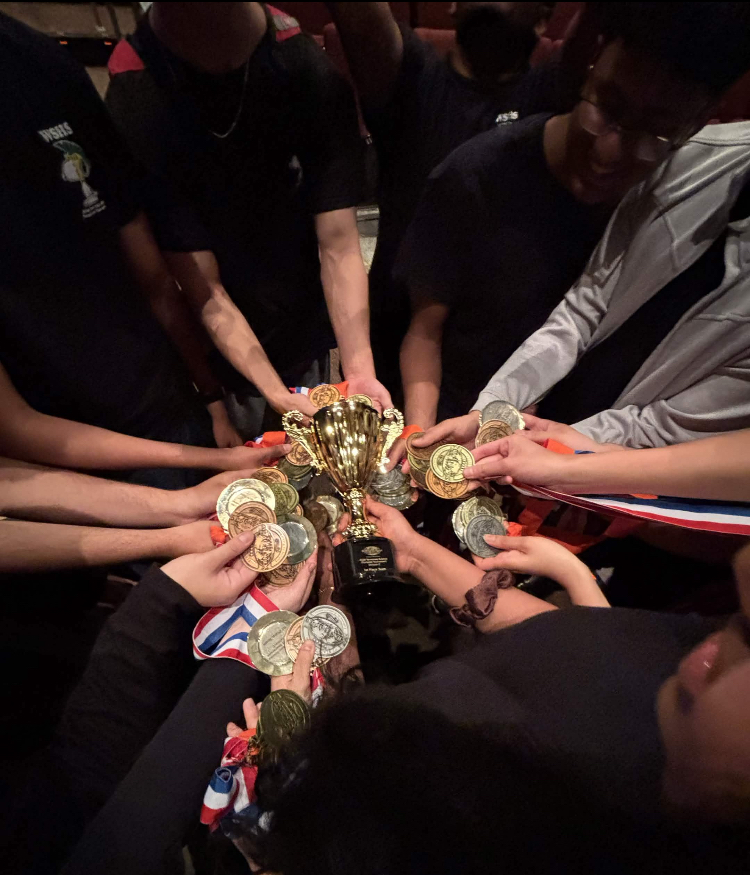
The true culmination of FHAO’s work is a teach-in focused on a central theme. Over the course of a year, students learn about this theme and develop a presentation or workshop related to it. Then, students from other schools, parents and community members are invited to attend these teach-ins led by club members.
“We have these Memphis study tours where we go to different … historical places such as … old slave houses and things like that, and we learn about [the history],” Javien Buggs (12) said. “So during the teach-ins, we take that information that we got from [the tours and] the conferences, we combine all this knowledge and turn it into this presentation and then we go to different schools and [the club members] take turns, different schools host it and we teach it to them.”
FHAO is centered around teaching students how to build community. One key aspect of that is being an “upstander,” which is a person who stands up when faced with injustice rather than being a “bystander” who does nothing. When hearing the word upstander, many students may think of pivotal figures of social movements like Martin Luther King Jr. who led a march on Washington and gave speeches to thousands of people. However, FHAO teaches students that there’s more than one way to stand up to injustice.
“I’ve learned a lot about how to be an upstander,” Buggs said. “Because I think … we know the word, but we don’t really go into how you actually be [an upstander] and practice that on a daily basis. … There are different ways to be an upstander. You don’t necessarily have to be the Martin Luther King [Jr.] type that does [public] speaking. … One of the things [I learned from FHAO is] being a healer where, … you can advocate for these patients … who are discriminated against, and that’s one of the ways that you can … be your own version of an upstander.”
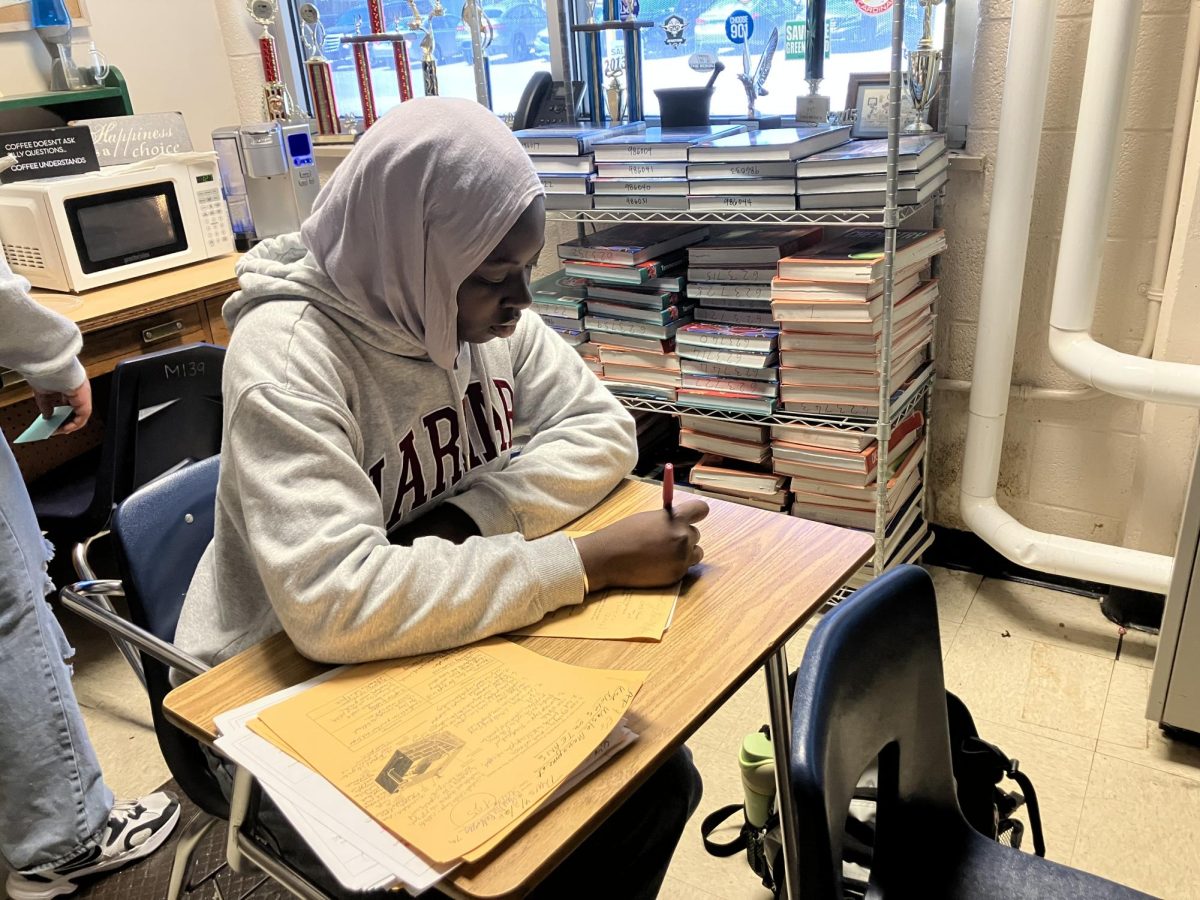
Along with learning to be an upstander in their community, students in the FHAO club develop leadership skills and a deeper understanding of history. The club sponsors get a similar benefit as they too can learn more history and tools to build community.
“I’ve seen the current leadership of the club, like, really kind of grow and come into their own a little bit in terms of like, calling the shots and getting into it,” Tingley said. “Which has made me and Ms. Burlison both pretty happy to see that. The class … I definitely did see a lot of students go like, ‘Wow, okay. This is important stuff.’ And that’s valuable, and that’s encouraging. [As sponsor,] it’s great to see the students working at the conference and teach-in. I’m learning the same history that they’re learning. There’s always something more I learn. And just seeing them interact, it’s reminding me of how we can build that community, and we need that refresher sometimes.”