

















The 2026 Major League Baseball (MLB) season has officially stepped up to the plate, bringing a high-tech revolution and a shift in how fans tune in. After a dominant run by the Los Angeles Dodgers over the last two years, the league is buzzing with storylines that extend far beyond the standings. From the debut of the Automated Ball-Strike (ABS) Challenge System to a landmark streaming deal that moved Opening Night to Netflix, the game is leaning into its future while fans keep its traditions alive.
For high school players like those at White Station, the professional game acts as a blueprint for their own. White Station High School (WSHS) varsity baseball player Julian Haddad (11) sees the sport as a family legacy that connects him to past generations.
“My grandpa grew up watching a lot of baseball, and the only channel he got was the Yankees, so he became a fan, and passed it down to my dad, then me,” Haddad said.
While the roots of the game remain traditional, the mechanics of the 2026 season are anything but, specifically regarding the new technology regulating the strike zone.
“The new ABS Challenge System…it makes the game more perfect, I guess, is the way to put it,” Haddad said.
The ABS system, powered by Hawk-Eye technology, allows players to challenge a home plate umpire’s call in real-time. Each team starts with two challenges, and the outcome is displayed on the stadium videoboard within seconds. While the tech aims for precision, the human element of the game remains a point of contention among those who play it every day.
“I think part of the game is the human error of umpires and stuff,” WSHS varsity baseball player Stewart Westbrook said. “If an umpire messes up a call, that’s it. It could determine the outcome of the game, and ABS is taking that human element out of it.”
But, other players believe the accuracy provided by the new technology is a necessary evolution for the integrity of the sport. WSHS varsity player William Jones argues that the precision of the system eliminates costly mistakes that have plagued the league in recent years.
“I think it definitely helps get calls right, especially in big moments,” Jones said. “I’ve already seen a lot of challenges that have gotten calls right and changed the course of the game.”
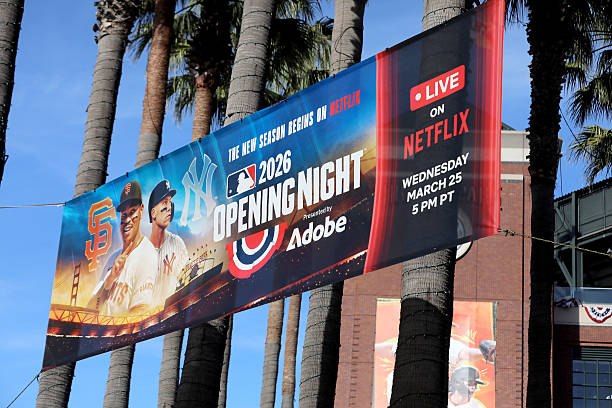
Despite the debate over the ABS Challenge System, the season’s start was defined by its visibility. The exclusive Netflix broadcast of Opening Night on March 25th signaled a new era of sports media. While the move sparked criticism over rising subscription costs, many younger athletes see the potential for a wider reach.
“I think that [broadcasting on Netflix] brings audiences that wouldn’t normally watch MLB… because there’s millions of people that have Netflix, so it might bring more unexpected interest to the sport,” Haddad said.
Beyond the tech and the screens, the reality of MLB’s current power structure remains a major talking point, particularly the Dodgers’ financial dominance and their pursuit of a third consecutive title.
“A big part of [the Dodger’s] success is that there is no salary cap in baseball,” Haddad said. “[The Dodgers] are basically allowed to just spend as much money as they please to get any player or coach they want because they have the largest payroll in the league.”
As the season marches toward the summer, the 2026 season has already proven that while the game’s heart remains in the dirt, its head is firmly in the clouds of innovation.

