












For the first time since 1994, the world’s biggest sporting event is returning to U.S. soil, and this time, it’s bigger than anything the sport has ever seen. The 2026 FIFA World Cup runs from June 11 to July 19 and is the first World Cup ever hosted by three nations simultaneously — the United States, Canada, and Mexico. The tournament has expanded to 48 teams, an increase from the 32 teams playing in previous editions, with a total of 104 matches played across 16 cities. For soccer fans and players here at White Station High School (WSHS), it’s the kind of event that only comes around once in a generation, if you’re lucky.
The scale alone is staggering. The final will be held at MetLife Stadium in New Jersey on July 19, with the opening match taking place in Mexico City. Host cities stretch from Vancouver and Los Angeles on the West Coast to Atlanta, Miami and New York in the east. Nearby cities like Atlanta are within a day’s drive of Memphis, making this World Cup more accessible to Tennesseans than any in recent memory.
But the numbers only tell part of the story. The real significance of 2026 runs deeper, and it has a historical blueprint to follow.
When the U.S. hosted the World Cup in 1994, soccer in America was barely a blip on the radar. Professional soccer had essentially died when the North American Soccer League folded in 1984, and few Americans seemed to care. Yet that tournament changed everything. The 1994 World Cup introduced soccer to a broader audience, inspired generations of young athletes and led directly to the creation of Major League Soccer (MLS) in 1996. Kids who watched Alexi Lalas and Cobi Jones play went home and asked their parents to sign them up for recreational league.
The 1994 tournament created generational fans — soccer lovers who watched their first match in 1994 passed that joy down to the generation succeeding them. That ripple is still felt today. Many of the coaches, referees and soccer parents in Memphis right now were those same kids in 1994.
2026 promises to do it all over again, only louder. The 1994 World Cup helped establish MLS. The 2026 edition could take American soccer even higher. The sport no longer needs to introduce itself to Americans. MLS stadiums sell out regularly. The U.S. Men’s National Team competes with the world’s best — American players like Christian Pulisic earn starting spots at elite European clubs. Soccer has already arrived, and the World Cup will just turn up the volume.
Every person who laces up cleats and steps onto a pitch is part of a larger story, one that this World Cup will help write. The tournament won’t just be watched, it will be felt. Young players who tune in to watch nations compete across the summer of 2026 may find themselves more motivated than ever to take their game to the next level.
FIFA and its host cities have spoken openly about using the spotlight of the largest single-sport event in history to leave a lasting positive impact long after the final match is played, investing in youth clinics, growing local programs and expanding access to the game at the grassroots level. Those investments will trickle down to communities across the country, including right here in Memphis.
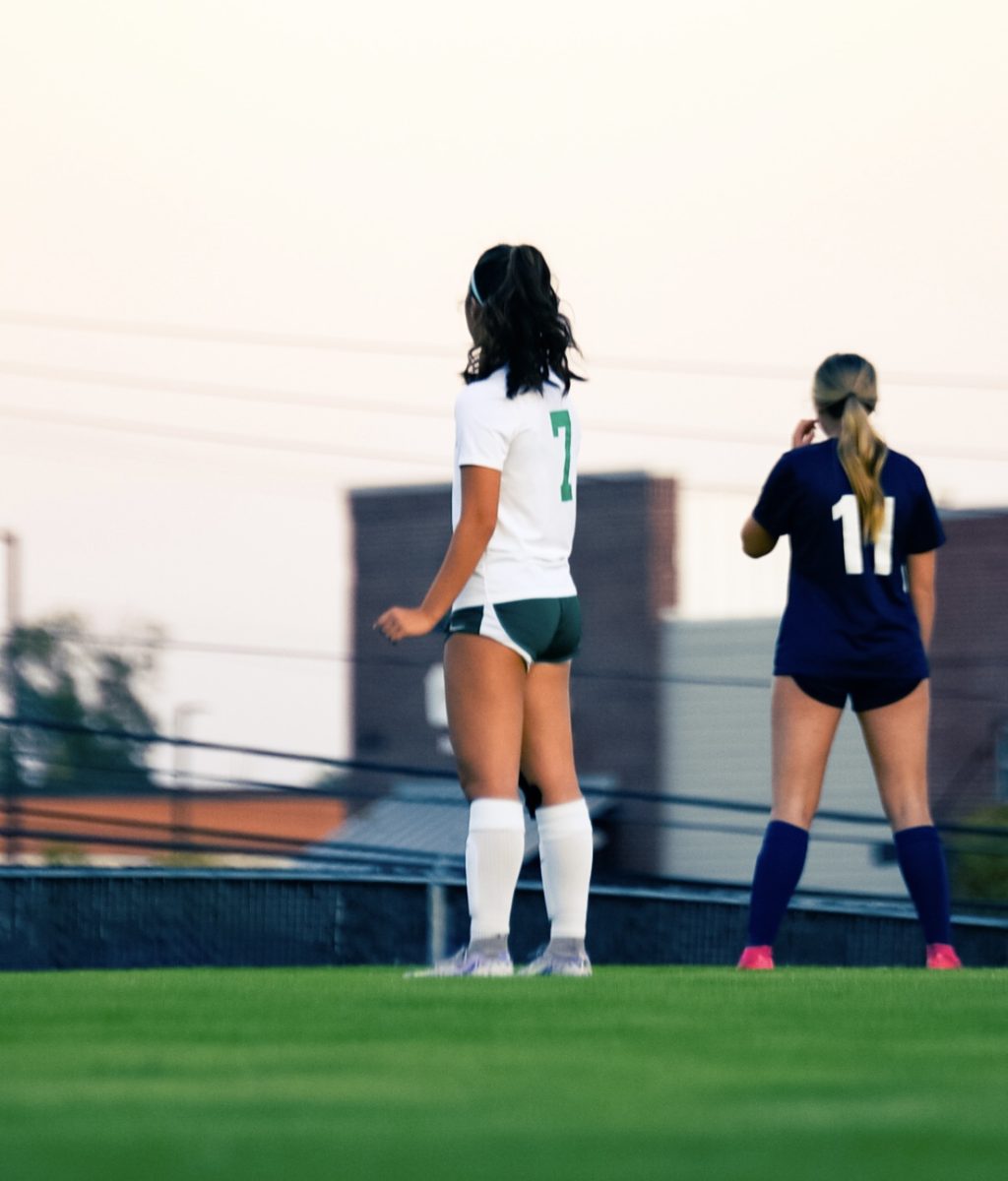
39 days. 48 nations. The world’s best players on American soil, playing the sport that millions of American kids already love. For soccer players at White Station High School and across our city, it may be the biggest thing to happen to their sport in their lifetime. The last time this happened, it built the foundation of American soccer as we know it. What 2026 will build is still to come.