













K-pop groups and idols have a longstanding history of racism and cultural appropriation. K-pop is the globally known Korean music industry housing multiple genres. Some popular K-pop groups are BTS, BLACKPINK, TWICE and Stray Kids. K-pop is known for its massive fan bases, high production music videos, choreographed performances and intensely trained members, also known as “idols”. Although the genre is loved by many, it has a troubling reputation involving racial relations.
“A lot of K-pop groups take from black artists, but they never really credit black artists,” said Monziya Wilson (10). “They won’t give validation to those black artists that they obviously were inspired by.”
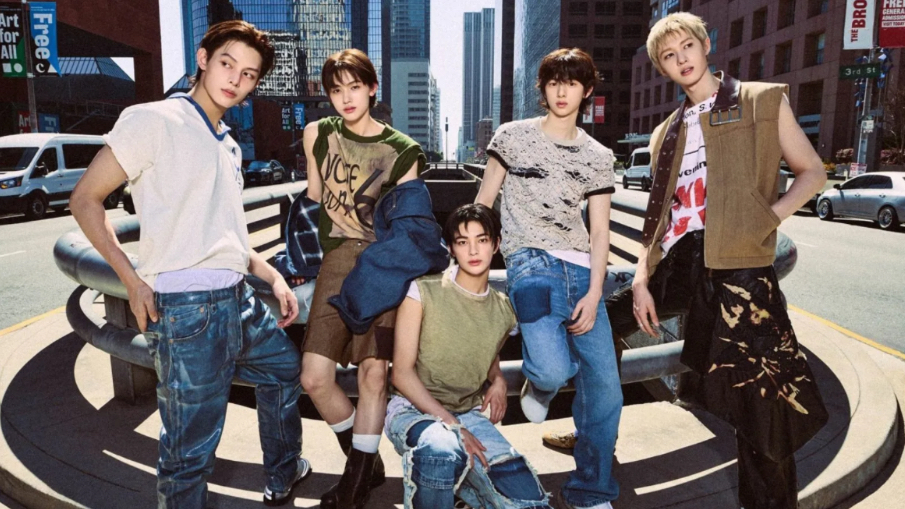
One example of K-pop groups taking inspiration without credit is CORTIS, a K-pop group that is relatively new and gaining popularity. Critics say their music is heavily inspired by Playboi Carti and Travis Scott. These are two black musicians known for being pioneers in the rap genre. A sector of the fan base who are likely blind to the black influence deny the possibility that CORTIS could be inspired by these black musicians.
(CORTIS INSTAGRAM)
Another controversy arose with the group when they posted a video of themselves in street fashion, sagging pants and ski masks, throwing gang signs and treating objects as guns. This sparked controversy because they were portraying a lifestyle mostly seen in the black community. Social media commentators were critical of the group, saying that CORTIS were cosplaying black American teenagers.
“I feel like they get away with it too much and I feel like it wouldn’t be a big problem if they just say ‘Oh, we got this style from such and such,’ said Wilson. “Or they just wouldn’t do certain hairstyles. Why would you want to do those certain hairstyles if you know only a certain group of people should do them? Why are you getting box braids if you’re Asian with pin straight hair?”
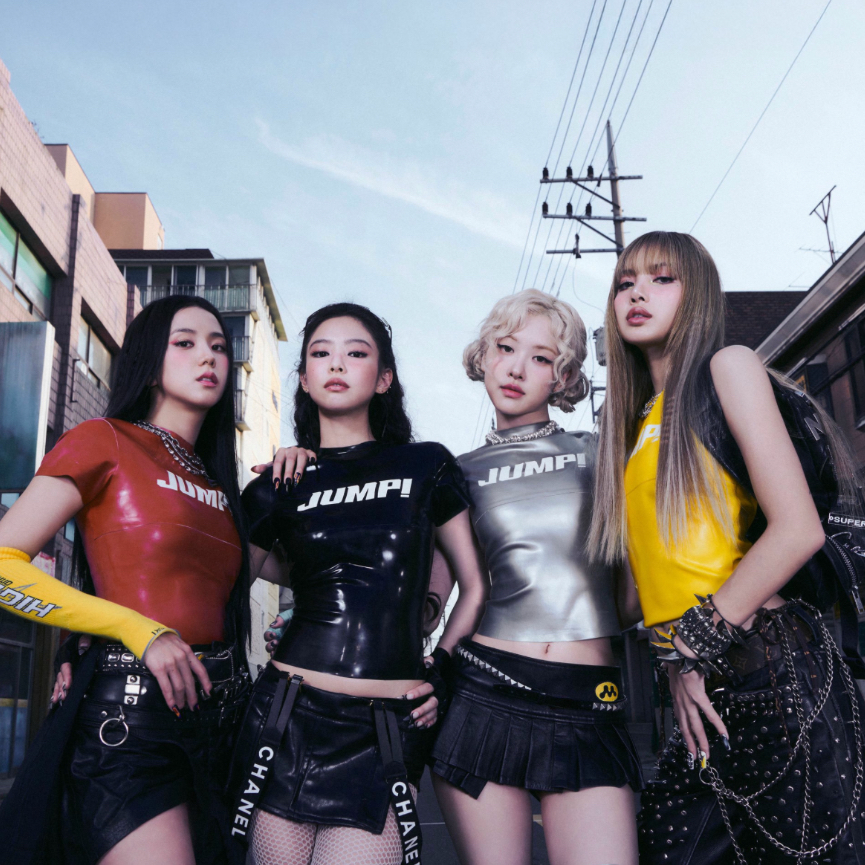
Some of the biggest K-pop groups have experienced a race-related controversy. BLACKPINK, the most streamed female band on Spotify, has had controversy involving racial slurs. Three out of four group members have said the n-word. These incidents were filmed and occurred before their debut and fame. The girls were seen saying the n-word while singing along to songs like “Swimming Pools (Drank)” by Kendrick Lamar and “2 On” by Tinashe. Certain spell-bound fans defended the group by blaming the incident on the language barrier. The controversy was never addressed by the members or the group’s company. Regardless of the racist remarks, fans continue to support them, as their most recent tour sold out almost immediately. Some reactions to controversy are characterized by the rivalry between the western fan base and the Korean fan base. Korean fans are usually considered more obsessive over idols and parasocial while American fans are deemed more sensitive to controversy and behavior of idols. This difference in behavior creates a disconnect in the fandom. The main topic of discussion is over idols and if they should or should not be held accountable.
“Most K-pop idols are not seen as human,” said Wilson. “If [fans] see their idol doing something controversial, they’re like, ‘they didn’t mean it like that’ or ‘they don’t understand that.’”
K-pop fans hold idols to a high standard, but consequences are dependent on if they approve the behavior or not. For example, BTS member Suga was found and fined $11,500 by police for drinking and driving an electric scooter. His blood alcohol level was 0.227%, which exceeded the legal threshold of 0.08%. The situation resulted in him having his license revoked and being deemed unfit for regular combat duty in regards to the required military service in South Korea. He released a public apology taking accountability for his actions.
“Korean fans were demanding him to be kicked out of the group just for that,” said Erin Goggans (9). “I feel like it’s something normal. Like he doesn’t have to be kicked out of the group. That’s just very strong repercussions. He posted an apology about it and I feel like that’s all he should [have done] about it.”
Idols’ personalities, style and musical decisions are all manufactured by their company. HYBE is the music company that creates and manages many K-pop groups. LOONA, another K-pop girl group, was boycotted because of its company’s behavior. The group sued its agency, Blockberry Creative, for unfair profit distribution. Clauses in the group’s contract caused members to collect debt as the members were promoted. Blockberry Creative is no longer a company and LOONA is now inactive. Fan boycotts have become an effective reaction to groups not behaving in the way fans prefer.
“People were boycotting [the boy group RIIZE] because of Seunghan. There were photos of him smoking and kissing a girl,” said Goggans. “I feel like that’s the Korean fans taking it out of proportion.”
K-pop fans tend to be hyperaware of what is happening with their favorite groups and idols. For example, as of March 2026 there has been a commotion in the KATSEYE fandom. KATSEYE is a global girl group. The group is technically not K-pop but is closely associated because of their style, music and publicity. The group is made up of girls with different ethnicities but fans have noticed racism towards one member. Manon, the only black member, has been treated differently from other members.
“First of all, in the debut song, Manon was not visible in the entire [music video]. [With] the choreography, she was hidden in the back,” said Wilson. “Fans had to complain for the company to put her more up front. They always portrayed her to look like she was lazy when she works as hard as the other girls.”
After Manon was left out of promotional videos for KATSEYE’s collaboration with Monster High, and was seen separated from other members while on Thanksgiving, fans started to question whether Manon was receiving fair treatment within the group. As of February 20, 2026, Manon has taken a hiatus from the group. It was announced by HYBE, the group’s management company, that Manon was stepping back to focus on her health and well-being. Fans are suspicious as to whether this hiatus is a ploy to kick Manon out of the group. After the hiatus announcement, Manon posted on Weverse indicating she was doing well and the hiatus was not voluntary.
Her post reads: “Hi, friends. I want you to hear this from me: I’m healthy, I’m okay, and I’m taking care of myself,” said Manon. “Thank [you] for checking in! Sometimes things unfold in ways we don’t fully control, but I’m trusting the bigger picture. Thank you for standing by me. I love you endlessly and can’t wait to see you again.”
The news of Manon’s hiatus has reached people who aren’t even fans of KATSEYE. People wonder how these carefully crafted groups are at the center of racist controversy. It leads people to believe these management companies are using conflict to bring attention to their groups.
“Because if they keep doing it one after another, then they know what they’re doing,” said Goggans.
K-pop is continuously growing, but racial conflict has continued to grow with it. Fans have conflicting relationships with their idols. They want to continue to support these artists, but without accountability for racist actions and credit for inspired choices, idols are making it hard.
“I feel like they should acknowledge what the members have done,” said Goggans. “I feel like people just turn a blind eye to it.”