






















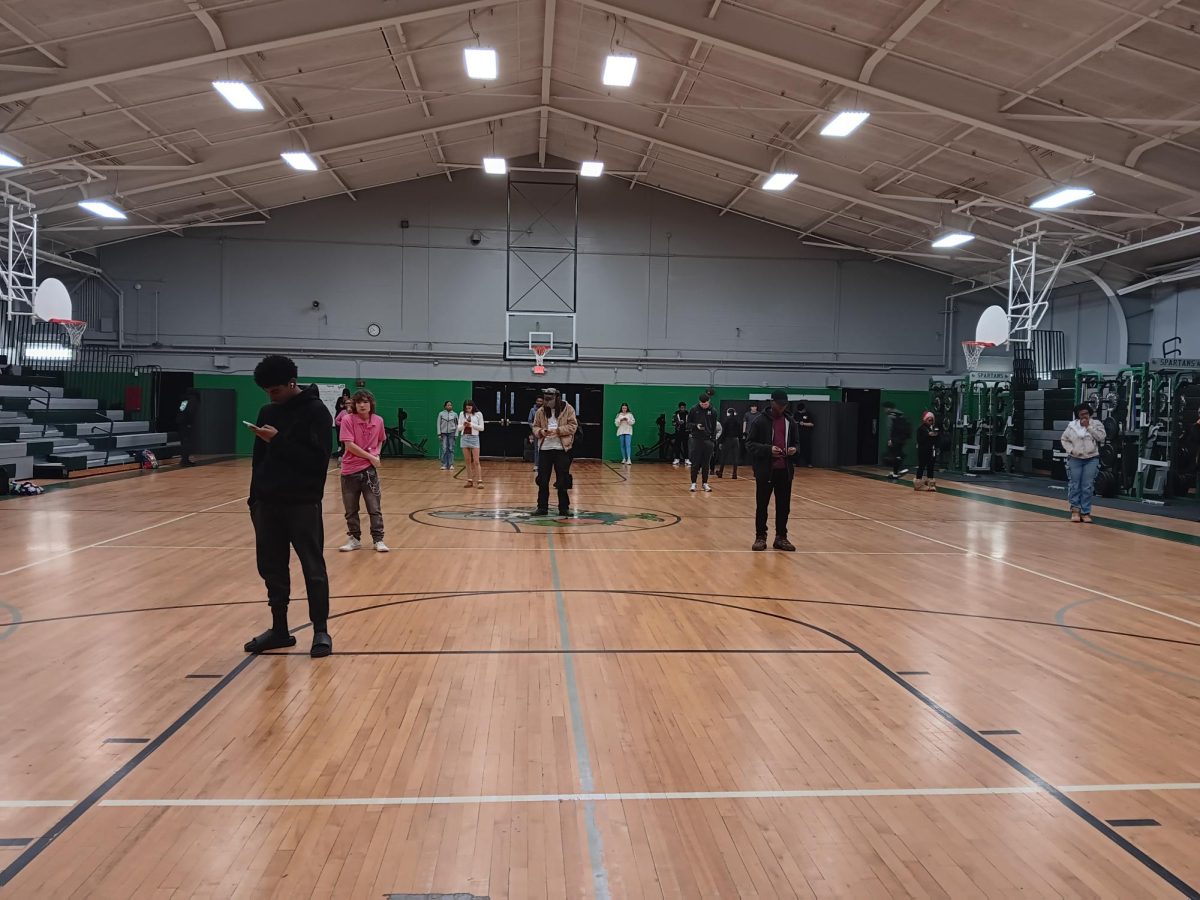
Sweaty students stumble over to the bleachers after their eight-minute jog. They collapse, take out their phones and begin scrolling.
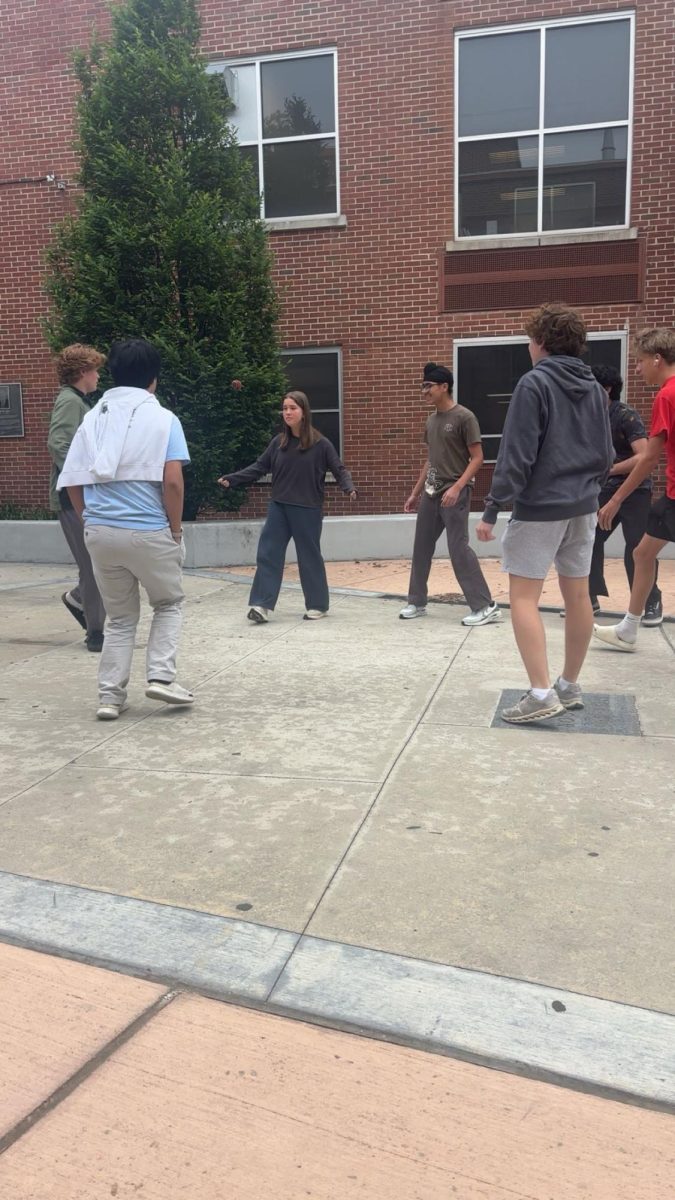
This scene is common in the White Station High School (WSHS) gyms during Physical Education (PE) classes. Tennessee graduation requirements mandate one credit of Lifetime Wellness and a half credit of Physical Education, collectively termed Wellness credits. The only alternative credit to Lifetime Wellness is JROTC I, but PE can be earned through some after school sports, marching band, cheerleading, JROTC II and other active electives. Despite the options, some students and coaches still see the mandatory 1.5 credits of wellness education as too much, especially since the physical needs of students vary widely.
“I would say for certain people [Wellness] shouldn’t be [a required credit], but I know that’s hard to keep track of,” Deundre Mitchell (12) said. “So, maybe it could be a requirement, but decrease how many credits you need, maybe down to one.”
WSHS advertises a diverse selection of alternative elective courses to earn the PE credit including Weight Training, Fitness and Conditioning, Advanced Individual Sports, and Advanced Team Sports. However, due to limited space, these specialized classes are often combined into a more generic course plan.
“We don’t have the facilities to do exactly what we’d like to do here,” PE teacher Bob Alberson said. “So, we have three classes in [the East gym] at all times. So, me trying to teach a team sport during that time, we kind of just roll it all into one and make it just all Fitness and Conditioning, just about.”
The limitations and the topic of the class have caused a general perception by students that the Wellness classes are “easy,” according to Mitchell. There are no Honors or Advanced Placement options for Lifetime Wellness and PE classes. And, as required credits, they must be made so that everyone can pass the class.
“I didn’t learn anything,” Tyler Paine (12) said. “From the textbook work, it was just copying stuff down and answering questions at the back of the book, which wasn’t really effective at all. And then with the exercise, since it didn’t even happen every day, it didn’t really help much, and it was maybe like 10 to 20 minutes total, depending on the day, of actual exercise.”
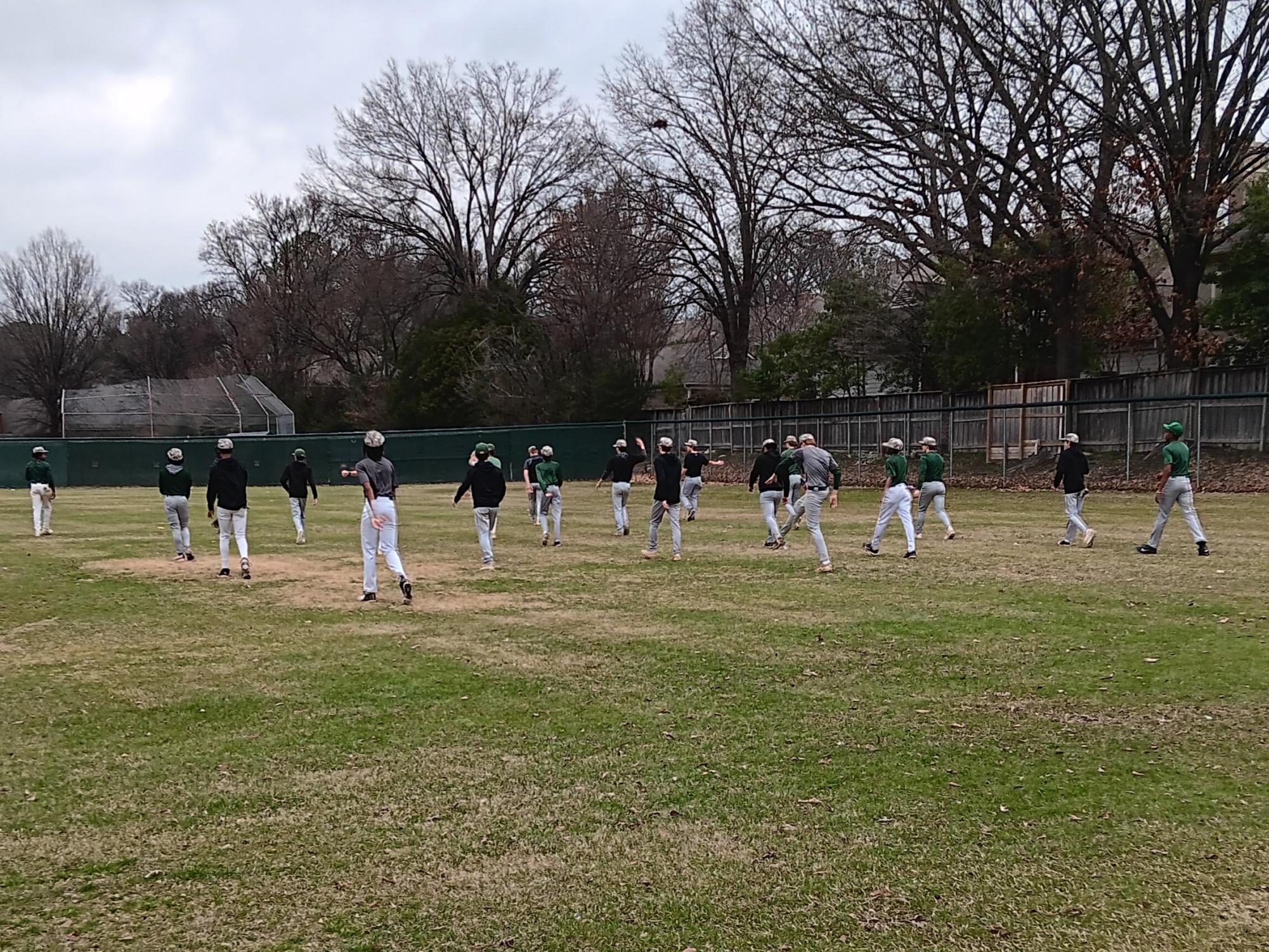
This perception seems to extend to the administration as well. Last year, they updated school policies to no longer offer study halls, so students with a gap in their schedule needed to be put into a class, and the default class chosen for many students was PE.
“They’re running out of places to put [students], and we don’t have study halls anymore, so I guess the best solution would be just to stick them in PE,” Alberson said.
However, PE is not as easy as it seems for every student. According to the CDC, almost 10% of high-school-age teens have asthma. In most classes, the condition is not worthy of any special treatment. This means that students with asthma and similar conditions do not often have preexisting documentation and it can be difficult to identify who really needs alternative assignments.
“I was really bad at [running] because I was very unfit, and I still am,” Paine said. “And also, asthma did not help … I probably could have gotten out of it, but I would have had to go out of my way to do it.”
PE and Lifetime Wellness classes are intended to help students get healthy and stay healthy. Despite the challenges in implementing the classes, Alberson still hopes that students learn and carry that knowledge with them throughout their lives.
“[Students learn] just an overall knowledge about how to stay healthy later on in life,” Alberson said. “Basically, we teach them how to lift weights over here. And then we teach them about caloric intake and all that stuff. Just generally staying fit throughout your life.”