















A student’s 16th birthday comes with new responsibilities, growth and the legal sanction to pilot a multi-ton, high-speed, deadly vehicle: a car.
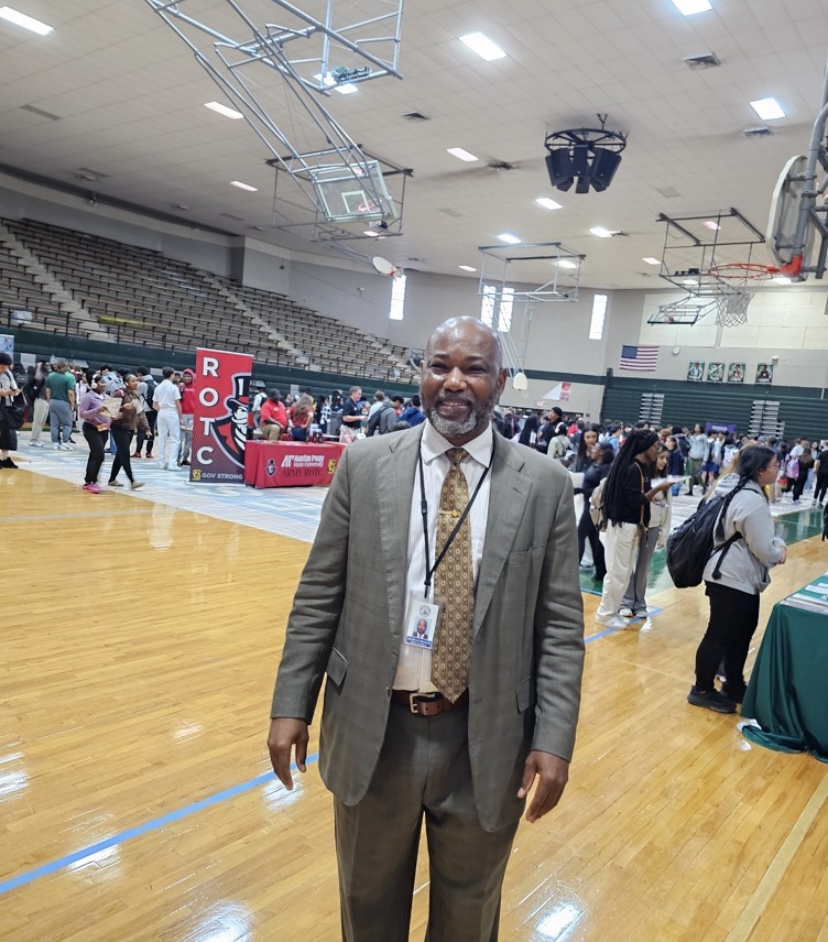
Driving brings freedom to go out into the world alone, that is, without parents. However, it also requires extreme care to avoid a ticket or an accident. Robert Stewart is a safety and security school resource officer, which means he ensures students are safe at White Station High School. He is also a retired traffic officer.
“Obey the speed limit,” Stewart said. “Put on your signals when you change lanes. Turn at proper intersections. Just follow the common laws that we have. Not that hard to do, and the laws are there for everybody’s safety.”
As seen with some drivers in Memphis, bad habits are easy to get into, especially without any feedback. The law and police officers are intended to provide the consequences that keep everyone on track whether the problem is speeding or violent crime.
“It would be nice if we could say we don’t need this, but we need to have at least a deterrent,” Stewart said. “And as much as we don’t want something to happen, we want to deter it by our presence.”
Many students’ first drive and first ticket both happen in high school. If that happens, there are a few things to keep in mind to make the interaction as safe as possible. Ethan McCreight (12) was pulled over for talking on the phone while driving, and he made sure to follow some common advice when talking to the officer.
“I just wanted to be respectful and make them know that I was no threat at all,” Ethan said. “So when I first got pulled over, I turned on the lights in my car, I turned off my car, I brought all my windows down and I had my hand on the steering wheel.”
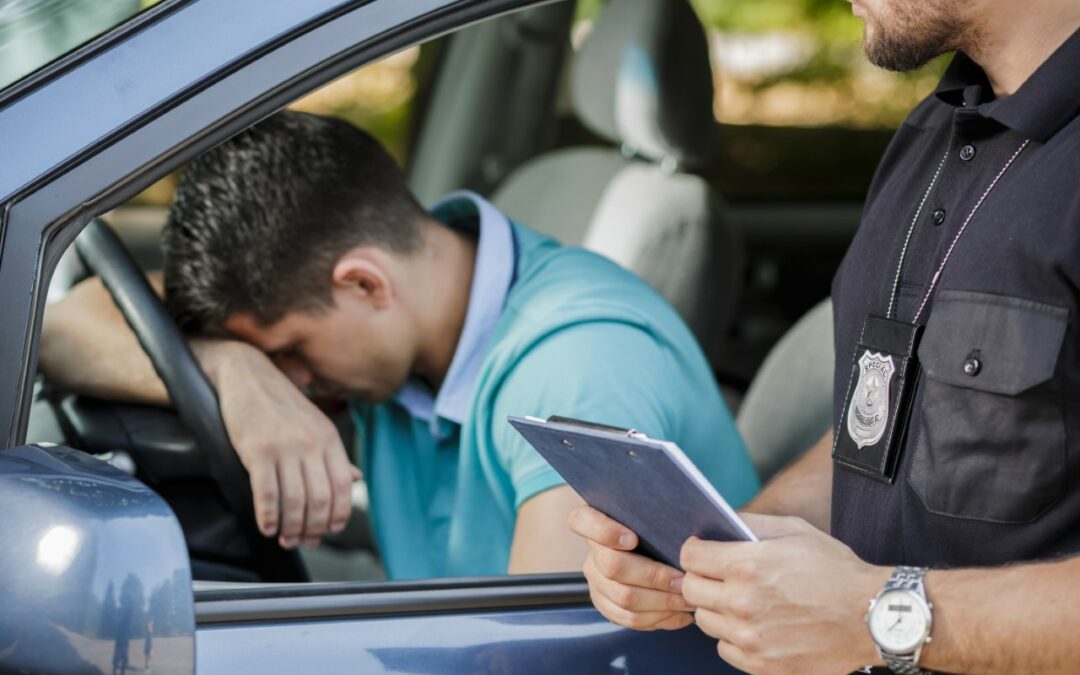
Drivers also must have certain documents with them; in Tennessee, it is a Class C misdemeanor to drive without a license and registration present in your car. Nickolaus Shirley (11) was pulled over after zoning out and speeding while driving home from a soccer game.
“[The police officer] was really understanding,” Shirley said. “I think it’s because when he pulled me over, I didn’t have any hint of disrespect. I just complied … I had my license. I had my registration out immediately. I gave it to him. I just did everything he said, and it went smoothly.”
There are also other reasons to be careful, aside from avoiding the hassle of a ticket and points on insurance. Arguing with a cop can escalate the situation, possibly becoming dangerous. In the U.S., there are an average of about 1,000 fatal police shootings each year, and there are large racial disparities, especially in juveniles. Black youth account for 54% of youth police shootings according to the Journal of Adolescent Health. Because of this, traffic stops can be especially stressful for some students as they worry about their safety.
“These interactions, most times, yes, they could be profiling them like that, but even if the cop may be in the wrong, don’t try, I would say don’t try [to argue],” McCreight said. “Then you can just escalate it. And … a simple ticket can get turned into a news header. You know what I mean? … It might seem like easing up to [the cops], but I’m trying to just go home. I don’t have time to sit up here and argue with the cop.”
Whether to give a ticket is always at the officer’s discretion, so even things not related to the crime can influence whether a ticket is issued. Some cops might let a teen off for their first ever incident, especially if they like their basketball team. However, there is no guarantee of any individual decision, so avoiding getting pulled over is still important.
“He said he was gonna write me a ticket or whatever, cool,” McCreight said. “But then when he came back to my car, I had on my White Station jacket … He said, ‘Well, you can get off because you play for White Station.’ I’m like, ‘Really?’ And I didn’t get a ticket. I didn’t get a warning.”