
























For many high school dancers, ballet is a grueling and challenging activity that rivals the intensity of varsity school sports. Many practice over 15 hours a week in addition to attending camps dedicated to ballet over the summer.
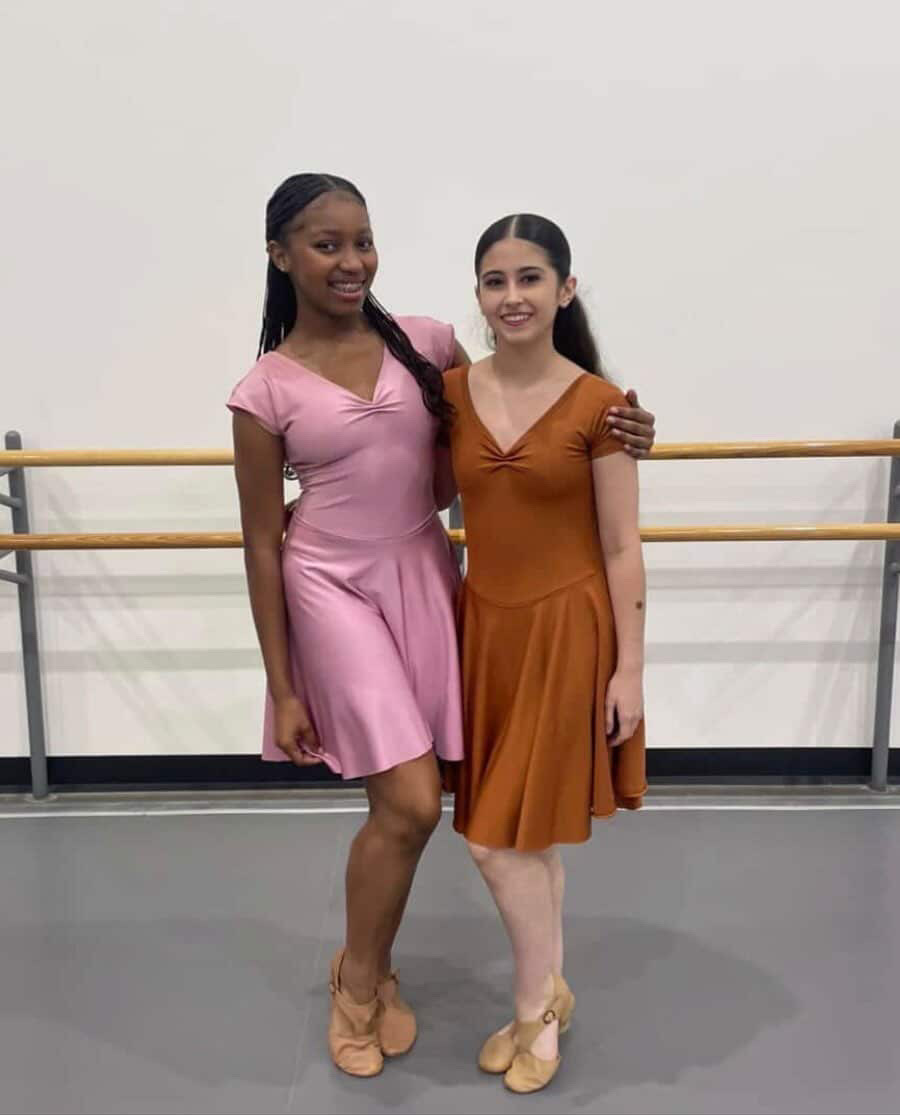
Molly Mize (12) who dances at least five days a week and takes multiple ballet classes, recently switched studios from Blue Ballet to Ballet Memphis. The change provided her with different opportunities.
“Being with a studio that has an actual company is a lot better for me,” Mize said. “We have our own student shows that are separate from the company, but then we also get to watch the company shows and interact with them. They teach class sometimes, and we get to learn choreography from really good teachers.”
Dancers often focus on different aspects of technique and take on different roles in performances, making their practice as a dancer unique, even among fellow students in the same class or studio. This can affect the length of their rehearsals and schedule.
“Rehearsals are usually like an hour and a half to two hours,” Prestina Fang (10) said. “The schedule kind of depends on how consistent you are with what you’re doing.”
Although many consider ballet an art form, it can also be considered a sport. Ballet has artistic elements like expression and creativity, but it also involves intensive use of the body and competition. Both Fang and Mize believe ballet can be considered both an art form and a sport.
“I definitely think most people in ballet consider it a sport, but also an art form because it’s definitely some of both,” Mize said. “We’re having to cross train and then do strength training, but then also use our bodies every day for upwards of 15 hours a week. Professionals can only do like 30 hours per week union-wise, but that’s 30 hours per week of crazy amounts of dancing that the normal person could not do unless they had years and years of training and discipline.”
Like other sports, ballet involves the risk of injury. Ballet dancers often get injuries to the feet and legs because of the intensive work of performing classical techniques.
“I’ve definitely danced on fractured toes and stuff before,” Mize said. “In the middle of a show my foot landed on the floor and then it twisted. I was in tears running across the stage because it hurt so bad.“
Mize is currently also doing a research project covering injuries in ballet because of her familiarity with the topic, as they are relatively common. Although there is a risk of injury, both dancers continue to practice and train because of the benefits that come with ballet.
“You’re learning about yourself,” Fang said. “There’s a lot to be learned just to see improvement and progress. Before I wanted to do certain skills and now you get to do certain skills and do certain things.”