




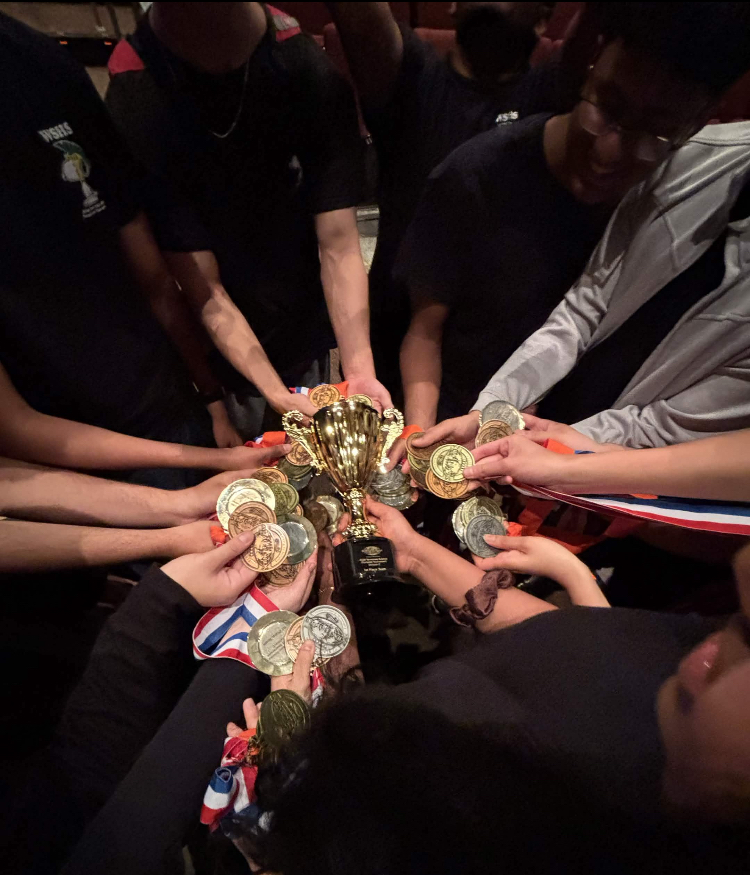
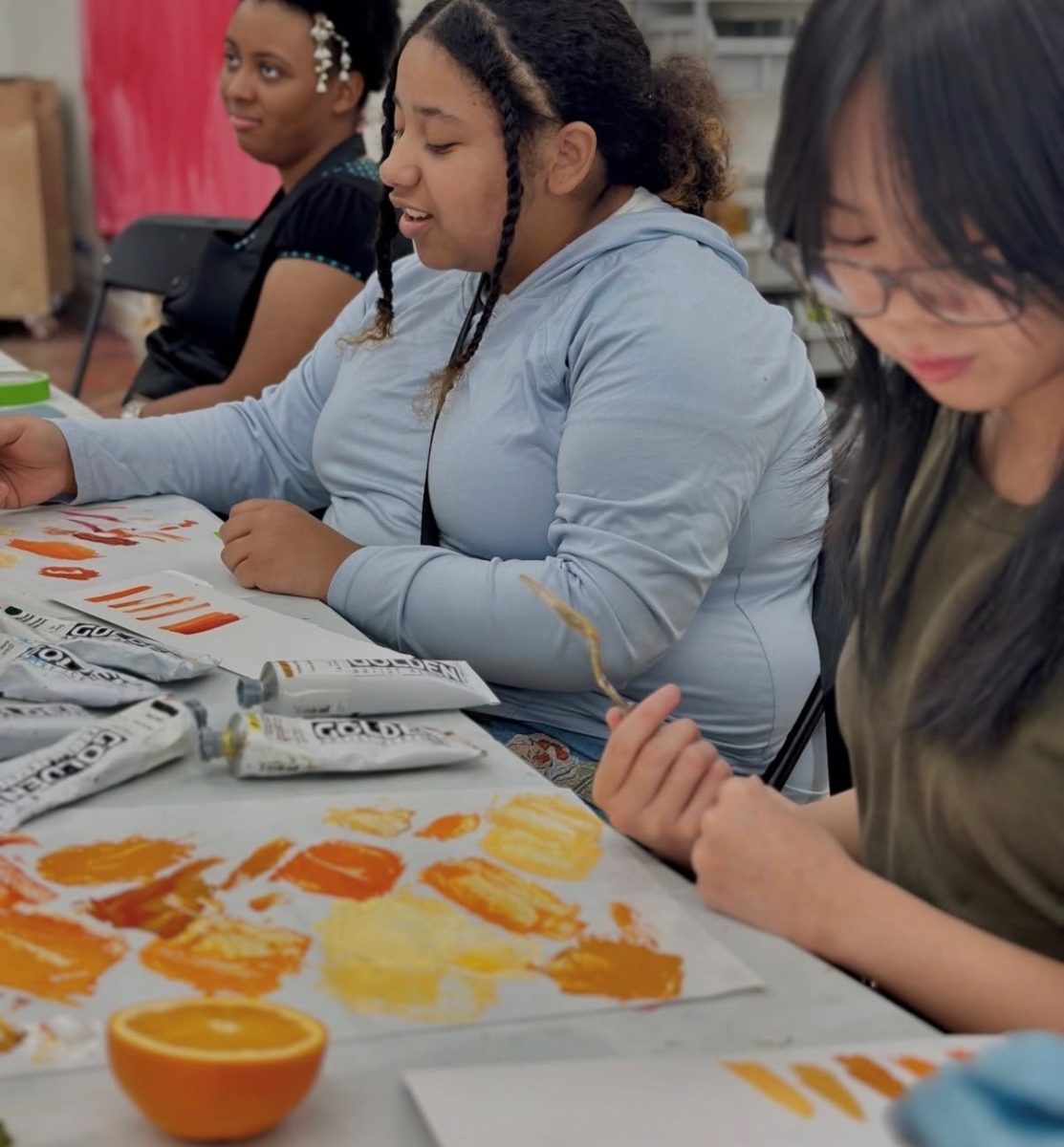
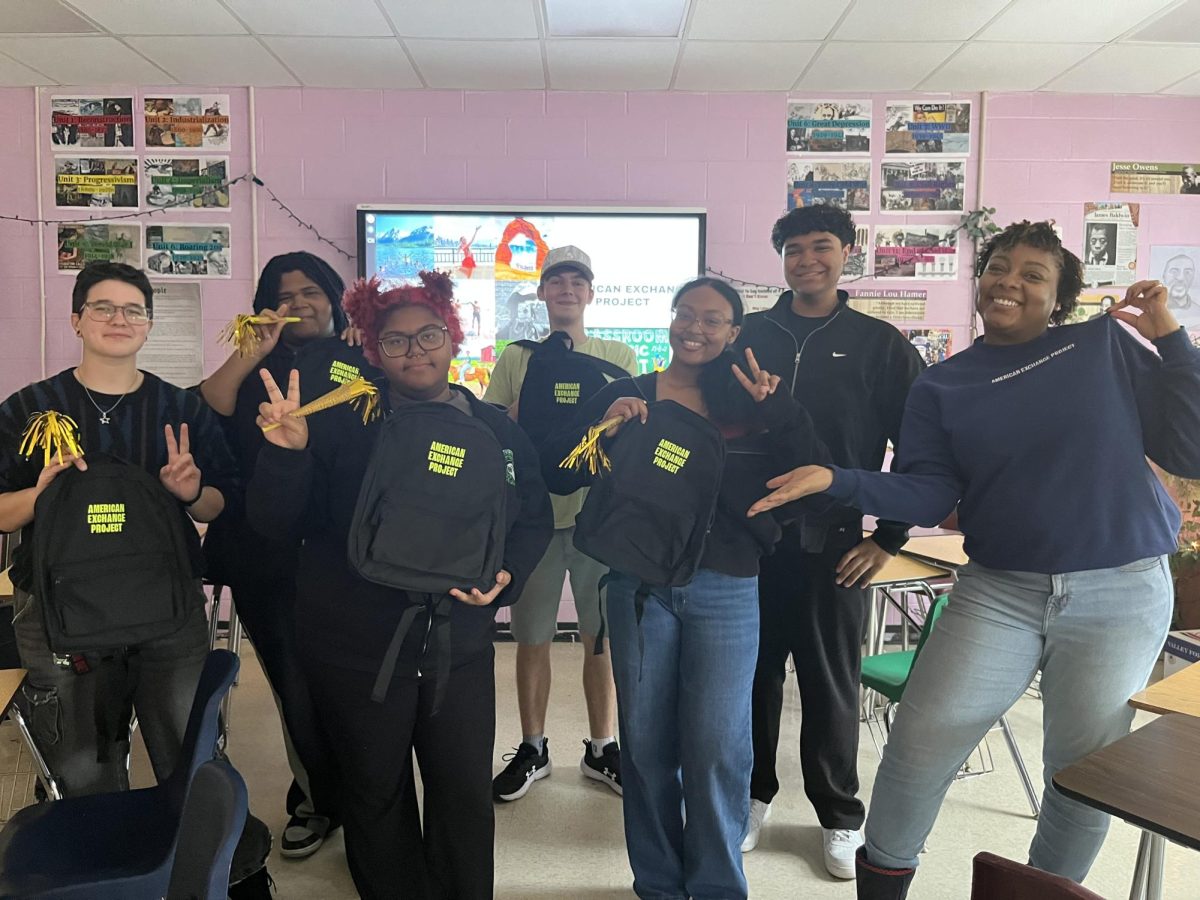

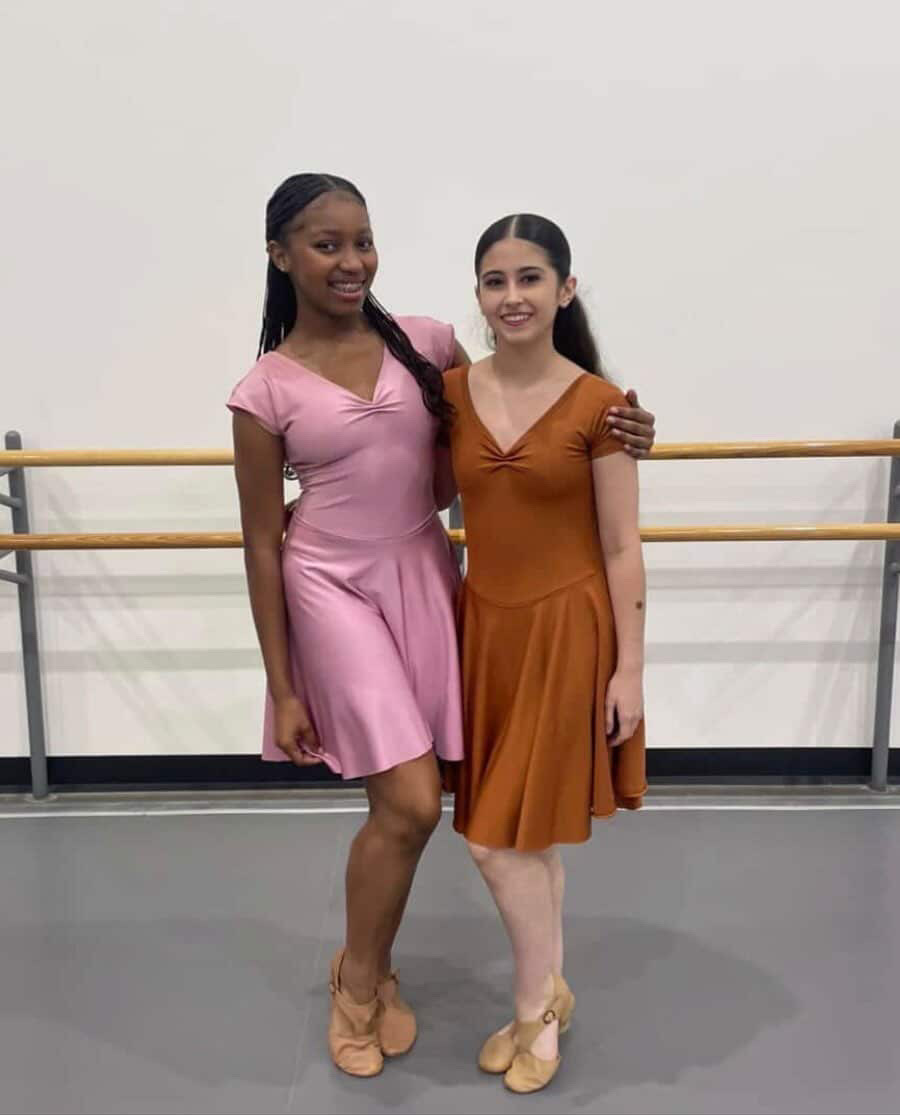
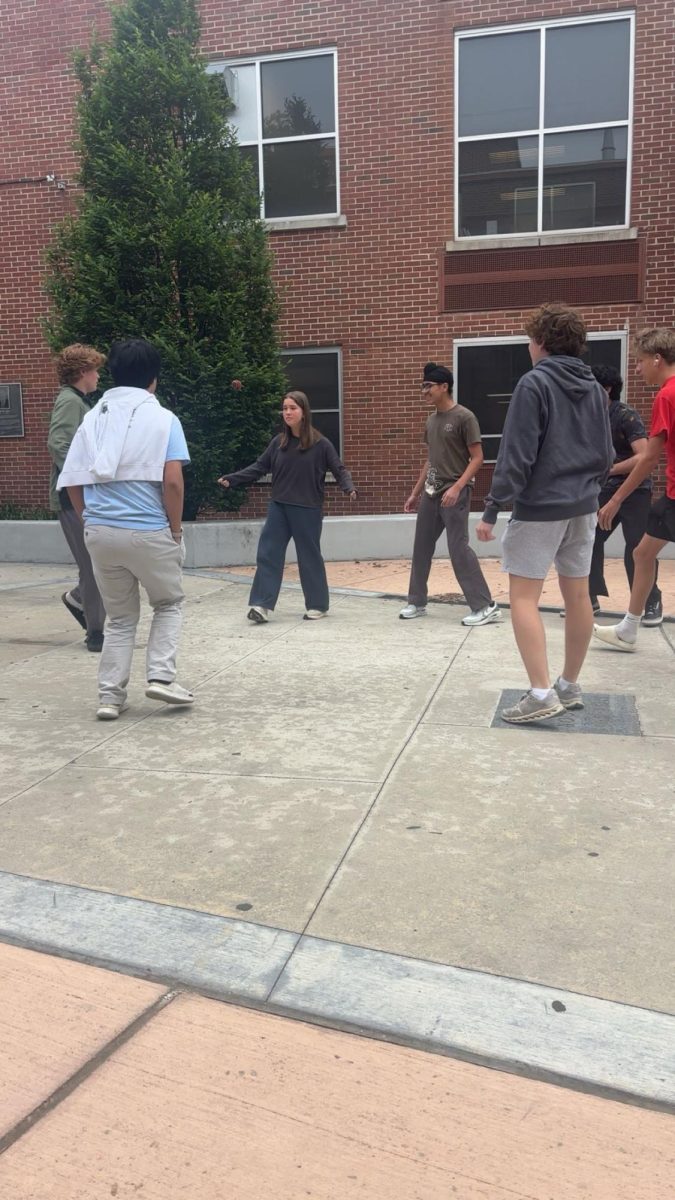

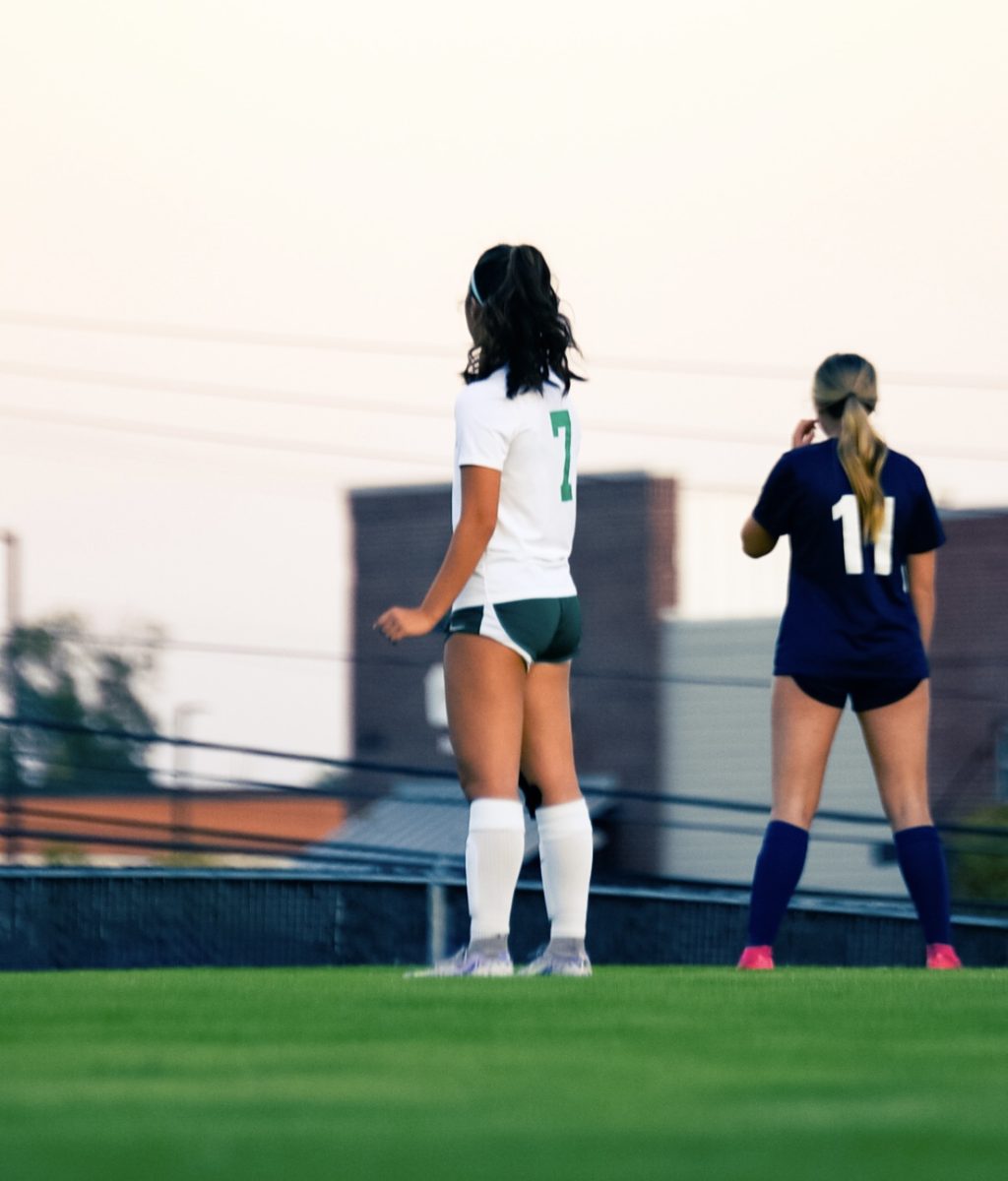




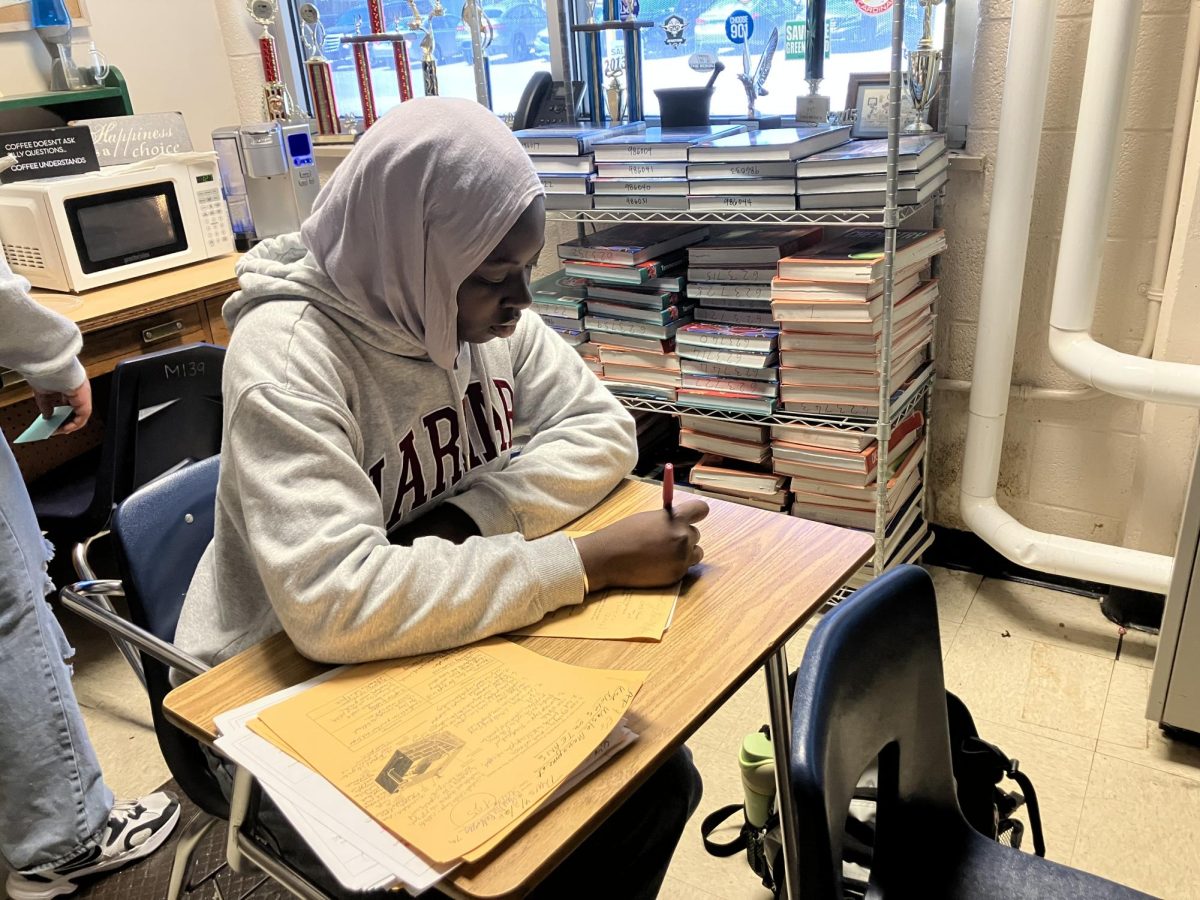
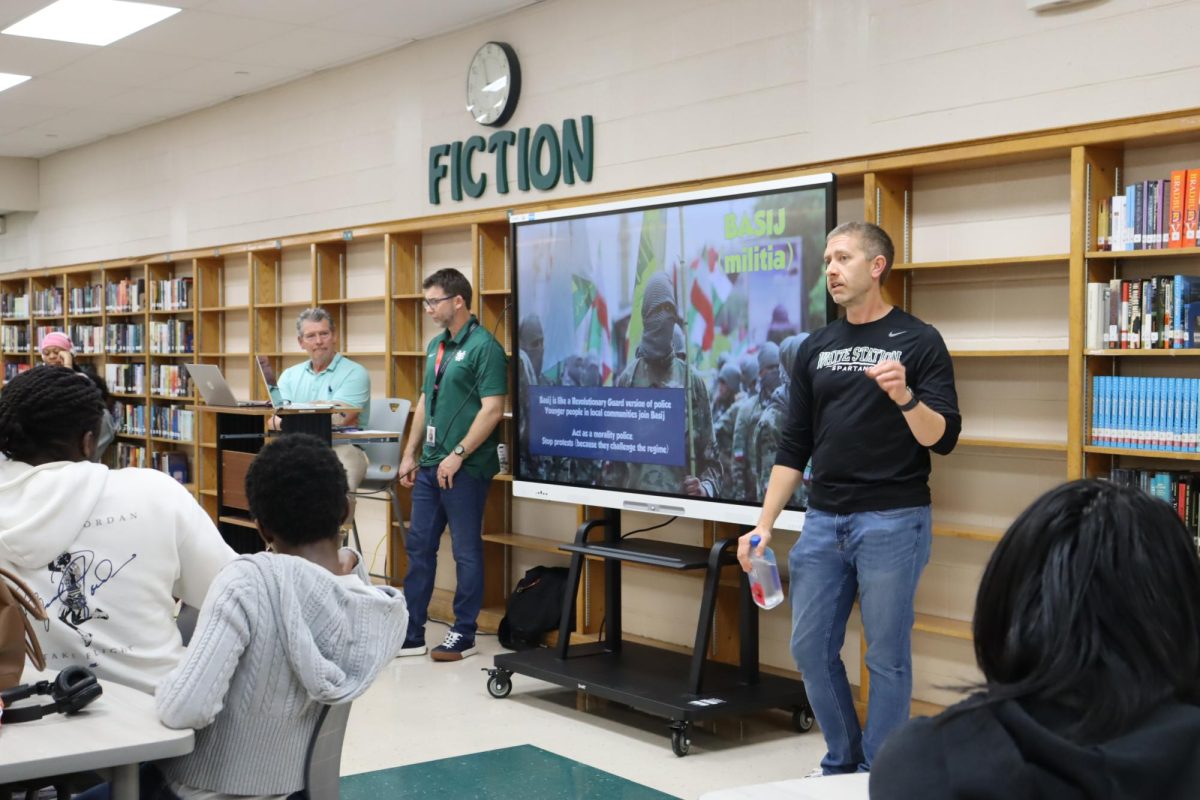







Bzzt. Bzzt. Bzzt. The sound of an alarm marks the beginning of a Spartan’s day. There are approximately 1,900 perspectives of a weekday at White Station High School (WSHS). Some students have extremely rigorous courseloads that leave little to no space for extracurriculars, and others have more clubs and after-school activities than one could count. Some students start the day with lengthy makeup routines, others studying, while others start the day with prayer.
WSHS creates a safe environment where religious students can practice and study freely through its multiple religious clubs: Muslim Student Association (MSA) and Christian Club. Amongst those clubs are a plethora of other extracurriculars dealing in STEM, art and community service. For Derwin Miller (10), theatre has become his most demanding yet rewarding extracurricular.
“[Theatre helped] me to develop a good personality and allowed me to be well-rounded,” Miller said. “I’m comfortable singing, acting and dancing in front of people.”
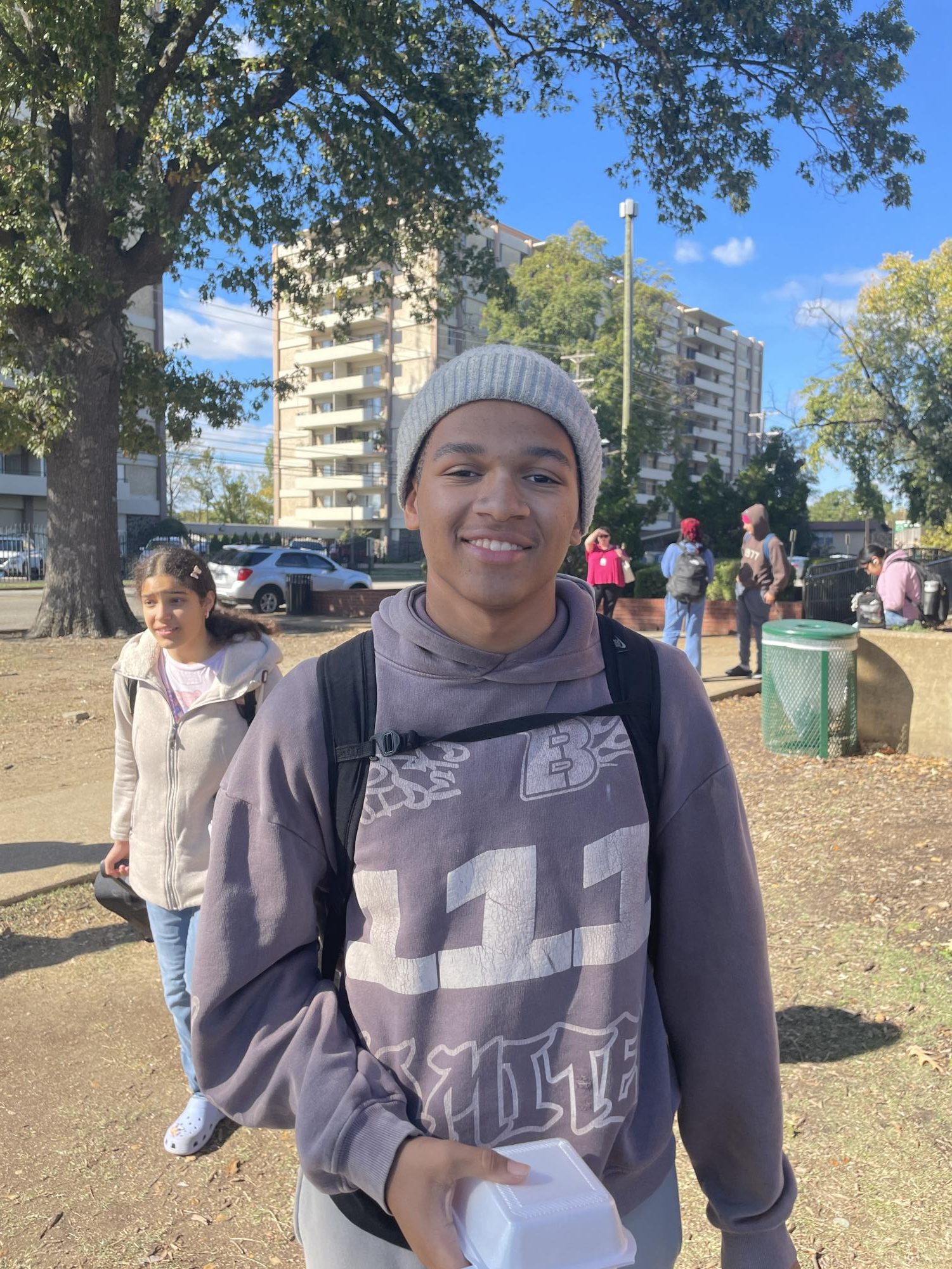
(VALON MOMODU//THE SCROLL)
While extracurriculars can prove beneficial, when compounded with a difficult course load, they can be overwhelming. Students with rigorous course loads have to find methods of time management and studying to balance grades and social life. Many students do this by taking on homework during the day or dividing tasks from most to least demanding.
“Productivity is when you move at your own pace, a good pace, but at a pace you can work under,” Angelina Adams (12) said. “And you can get [work] done with effort.”
There are courses renowned for being strenuous, including the vast options of Advanced Placement (AP) courses such as AP US History, or Dual Enrollment (DE) courses like Biology or Anatomy. When approaching course selection, many people prioritize selecting both personalized and functional courses. Such courses will prepare students for their future careers.

(VALON MOMODU//THE SCROLL)
“I recommend anatomy,” Adams said. “The work is difficult, but I feel like anybody can really get it done if they put their mind to it. I feel you could learn a lot from it, especially if you’re going into the medical field.”
Students travel to their next class, weaving through the hustle and bustle of the transitioning period. Students take this time to chat with their friends, teachers or visit their lockers.
“Usually I walk with a few friends in the hallway and talk and stuff,” Brooklynn Smith (9) said. “I don’t stay for too long, because everyone’s going to their classes and stuff.”
Lunch is an opportunity for scholars to refuel, socialize and catch up on work. Students flock to the cafeteria, the picnic area, or the courtyard. For others, lunch time is a chance to further proceed in extracurriculars.
“On Mondays, I do Bible study with my friends in the cafeteria,” Miller said. “It started with Amelia and Athena, and they had invited me. “It just allows me to understand the word more—the word of God more—and to become a better Christian.”
In the day in the life of a Spartan, no routine is identical. Scholars at WSHS each differ in courses, extracurriculars and habits, but one thing that remains common between many scholars is the eagerness to explore new avenues and opportunities.
“[School is] adventurous,” Miller said. “Every day walking through these halls is a new experience and new adventures.”