












Ever since the conception of the silver screen, scary movies have made their mark on pop culture, with icons such as Dracula and Frankenstein’s Monster lurking in an endless number of films. Over time, horror movies have transformed due to filmmaking trends and audiences’ changing interests. From Schreck to Skarsgård, perceptions and expectations of scary movies have shifted, thus producing innumerable genres of horror.
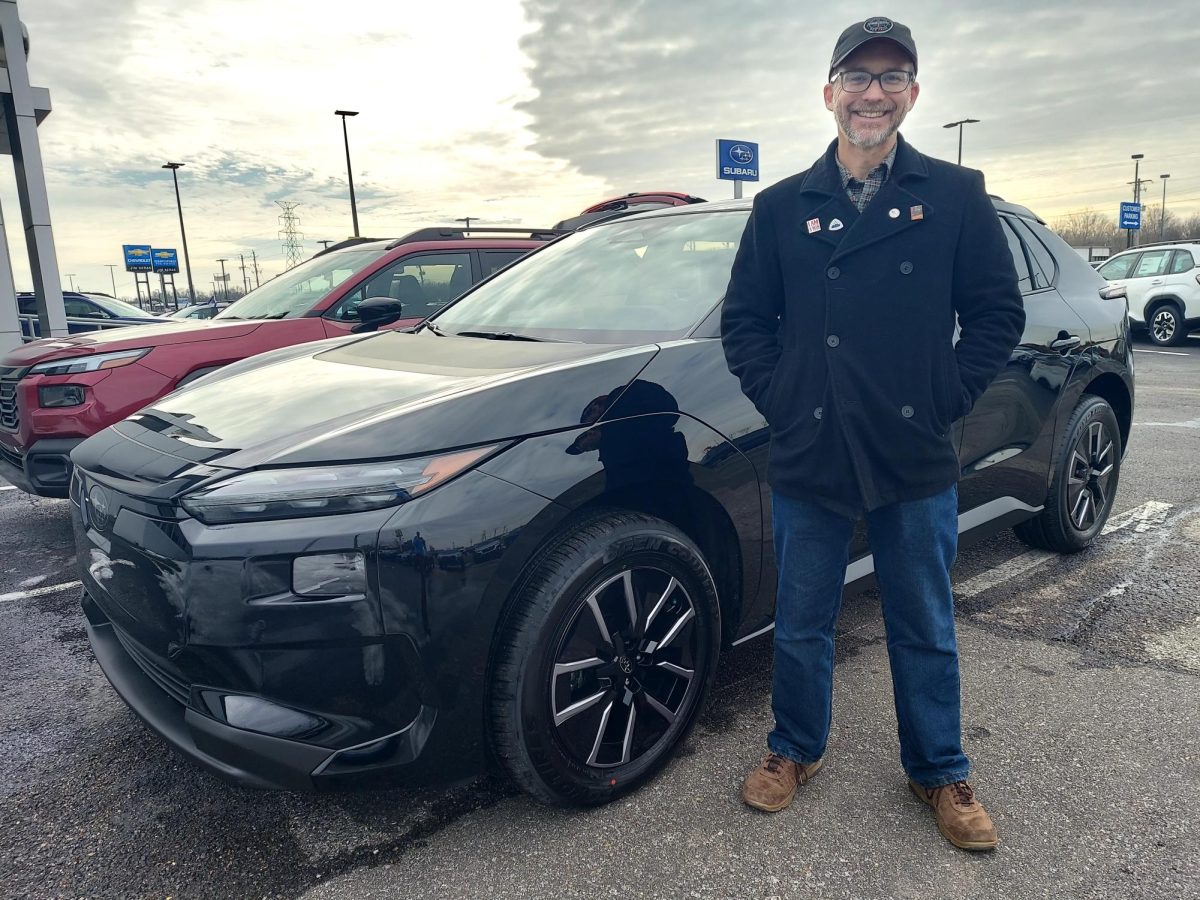
“My mom used to work the second from 3 o’clock in the afternoon to 11 o’clock at night, Monday through Fridays,” 9th grade CLUE teacher Mr. Demmons said. “So I never really got to see my mom growing up except in the mornings. But on Friday nights, she’d come home, and I would stay up late, and on the USA Network, they would have something called Up All Night, and it was just cheesy horror movies that my mom [and I] would watch. Now, she never was into the slasher movies or the vampire movies, but she loved the giant insect movies, the killer animal movies. And those were pretty harmless.”
Like most modes of film, horror movies can bring people together and generate nostalgia, but they deviate in the sense that horror often brings people together through a common sense of fear. They replace warm fuzzies and hearty chuckles with shivers and shrieks.
“In my opinion, the horror genre came from a feeling of an uncontrollable urge to either flee or hide or fight, but you cannot do that,” math teacher Mr. Kreitlein said. “For some odd reason, you can’t do that. Like, you can’t fight against Michael Myers because Michael Myers will simply just survive. If you want to consider the original Alien movies, you can’t run away. You’re in space. If you [consider] Nightmare on Elm Street, well, you can’t hide from Freddy Krueger. He’ll come for you in his dreams. Those are very formulaic, but they’re very good.”
Audiences’ captivation with horror can be attributed in part with how people perceive themselves behaving in the life-or-death situations horror movies portray. The thought of being hunted by a blood thirsty beast unlocks a primal fear in people that keeps their eyes fixed on the screen. In turn, the characters in horror flicks achieve widespread recognition due to their ability to stick in audiences’ minds. This success certainly doesn’t go unnoticed by film companies, thus the creation of long-lasting horror franchises.
“I think right now [they’re] making a lot of remakes, and sequels and those movies, they’re not really trying to tell a really good story, they’re making [them] because the movie studios want to make money,” Demmons said. “[Studios are] not really interested in telling a story. Because you have the one movie, [with] a good story, but then it’s all about money, [so] the studio makes a second movie, and a third movie, and a fourth movie. So you’re losing storytelling.”
Once a film gains enough publicity, people begin to crave its memorabilia, causing companies to produce sequels, regardless if the original film is better fit as a standalone movie. This practice can result in disappointment from audiences due to drops in quality, which can diminish perceptions of the former film. Companies’ tendencies to sink their teeth into film makers’ creations, latching onto them and churning out more movies, can drain passion from projects, which has caused a rise in indie productions that scratch that itch of raw authentic creativity in horror films.
“I think [modern horror differs most in] the concept of established perspective,” Kreitlein said. “When you get to older horror movies, you come across a group of individuals placed in a situation that have to deal with some [threat]. One by one, they’re going to die, until typically it gets to the last person, [that] somehow survives. But in modern horror, you might have the case that no one survives, or everyone survives, or you’re dealing [with] it from one single person’s perspective, or just a limited few, or a whole town that has to now survive. The thing most different as horror has evolved, is that concept of perspective. You’re [seeing a] movie through the eyes of a dog. That is so radically different.”
Though, in an era where everything gets flipped on its head, certain motifs have stood the test of time, even becoming strengthened and further popularized, such as the “final girl.” The combination of tropes from former periods of horror and those developed in modern times have produced a grand and diverse variety of films, with each garnering its own respective audience.
“I do still like being that scared, knowing it’s just a movie,” Demmons said. “But I think the thing that I like about horror movies is, you know, you have the villain, the bad guy, but you always have the good guy too. You always have that, there’s going to be that knight in shining armor. You’re going to have that person that’s going to come through, that final girl that is going to vanquish the bad guy, the antagonist. So that’s what I still like about modern horror movies. You are going to have that person that is going to prevail.”
Through the work of independent studios and advancing technology, aspiring moviemakers have been granted the tools to create films that don’t rely on major film corporations or aren’t bound by confinements of general audiences’ tastes. This newfound freedom has allowed horror films to be as imaginative and fresh as creators desire, with longtime horror tropes commonly being subverted. But the end goal of horror movies remains the same: to frighten viewers.
“Everyone probably has some movie that they like, maybe it’s not fully horror, but they like the suspense of it,” said Kreitlein. “They like to know what’s going to happen next. And everybody has something that causes them to pause, to be afraid, even the slightest bit. I don’t trust anybody who says they’re not afraid of anything. There’s something out there. There is something that Pennywise would be able to get on you. But that doesn’t mean you’re a coward or anything. It just means there’s something that causes your [heart rate] to rise, something that gets your blood pumping.”