
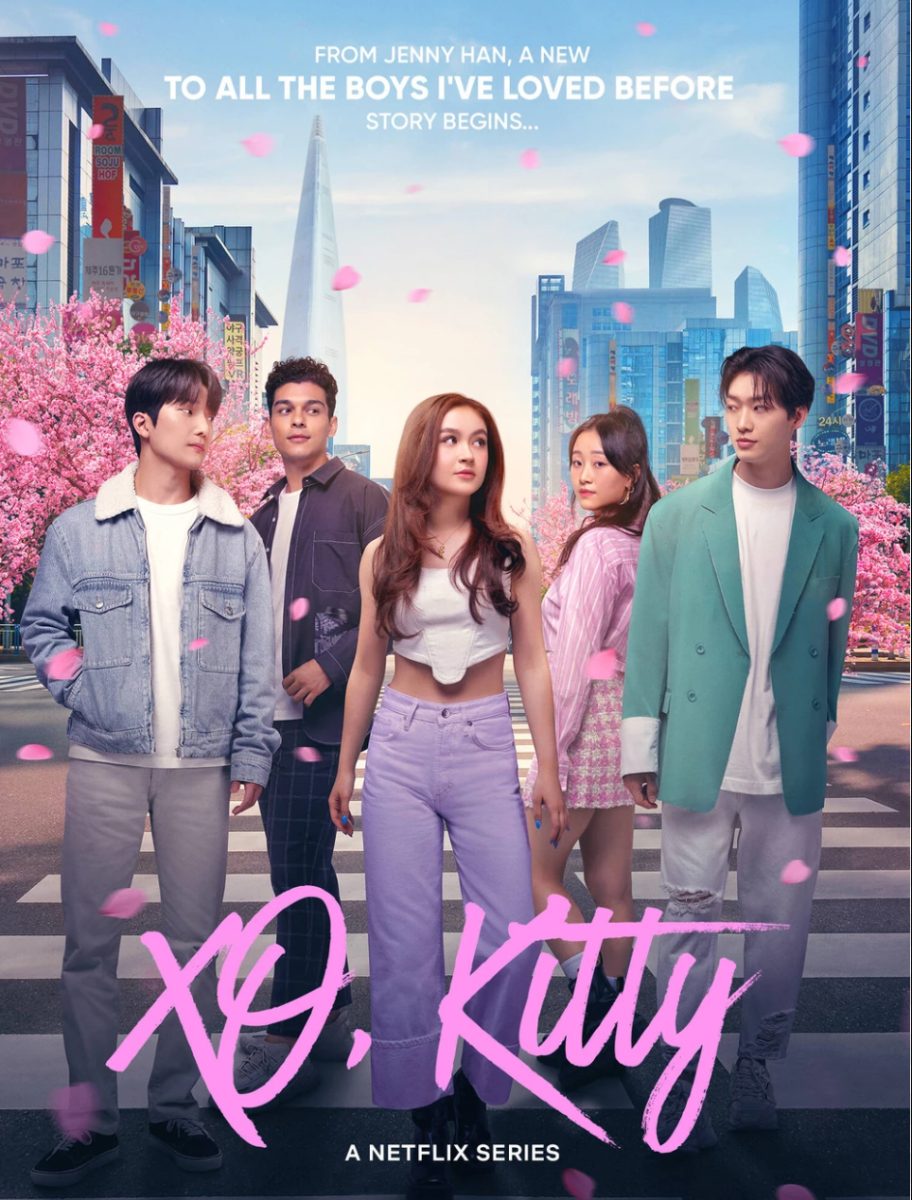











The Hunger Games, The Maze Runner and Twilight. Names recognizable by many, whether from the book series or the film adaptations. Novels, series and classic stories are often adapted into movies, but are often followed with controversy surrounding these renditions. Several books and classic tales’ screen adaptations have brought up discussion on just how rigid interpretations of these works should be. Some feel that the role of an adaptation is to stay faithful to the original work and merely be a visual representation.
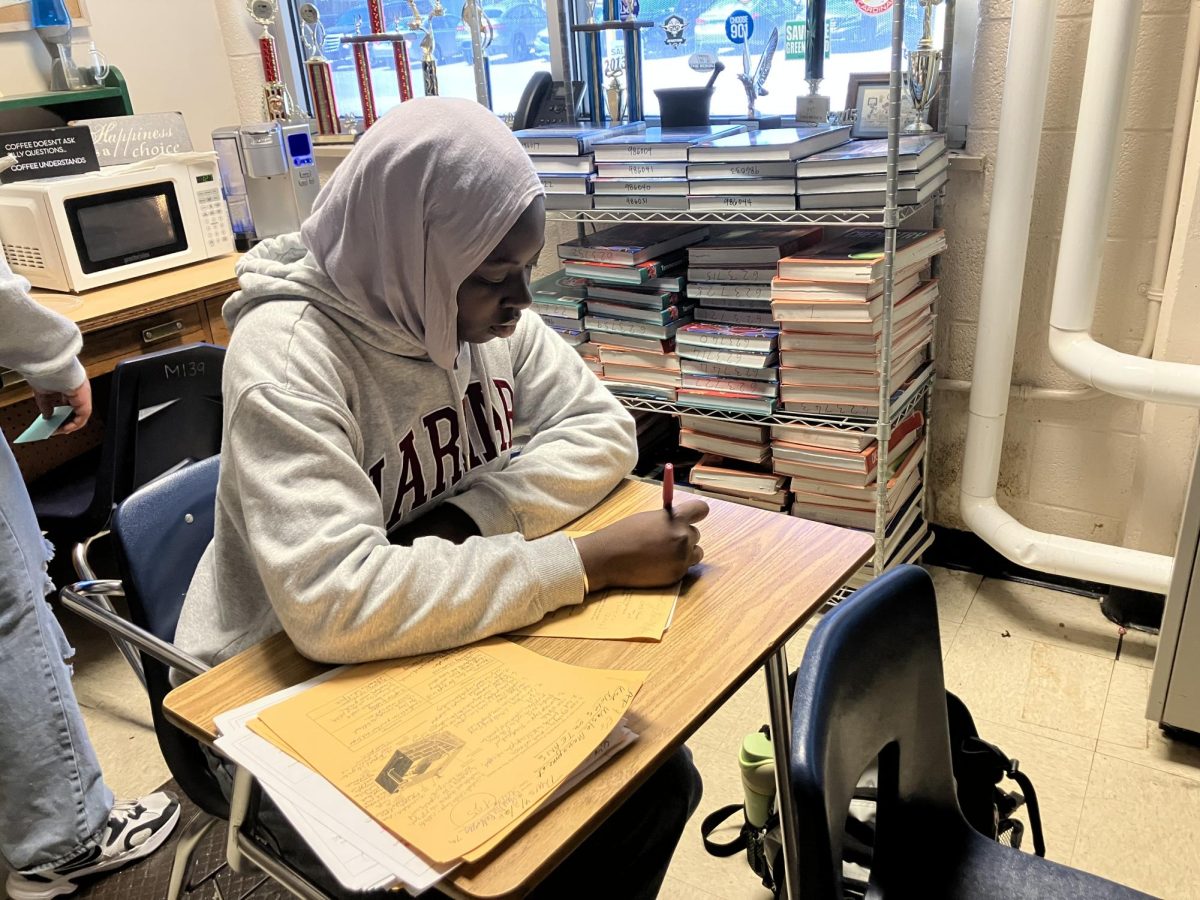
“I think if the movies and shows stray away from the original storyline and plot, I really don’t think they should be called movie adaptations because an adaptation stays true to the storyline,” Sha’Nya Tindall (10) said.
Others believe that adaptations can change, but within limits. Some books and tales, whether from imaginative fantasy or particular detail, must be properly understood by the show makers before they are made, or else they can degrade the quality. In this case, some viewers feel that whether changes should be made depends on the work.
“Because if they stray to a good place where they improve the book, then I agree with that, but if they end up ruining the book by trying to ‘fix’ something, I don’t like that,” Bennett Coats (10) said.
One controversial example of change in movie adaptations is the choice of characters’ races, as seen in the Percy Jackson series with the Leah Jeffries as the character Annabelle and in The Little Mermaid movie with Halle Bailey portraying Ariel. While this did spark conversation, some feel that it is a nuanced topic.
“I think if the race is a major part of the story, they should keep [it] the same, but if their physical appearance is not a major part of the storyline, I really don’t think it matters,” Tindall said. “I think they should just cast the best person for [the role].”
Some feel that race is changed in film to push personal ideas and appease a group, rather than with intention to truly represent a community. In adaptations, not only accuracy, but also intention matters to viewers. Movies and shows, rather than being made to honor the original work, are often made to make a profit and have a quick benefit from the finished product.
“To really make it notable really depends on [whether they are] making it because they want to honor it … [or] for the money,” Jackson Foster-Moore (12) said. “I think the whole point of making something is the art of making something, not the finished product.”
Many people are naturally inclined to be creative, and the intention behind the creation of art, in this case through film, can oftentimes be personal. Using film to push a point of view or agenda can feel stifling to some, and certain books’ subject material must be kept within a degree of accuracy and handled with care.
“If you’re going to adapt something you don’t agree with or you’re going to adapt something because you want to make it inclusive, do it outside of [the work].” Foster-Moore said. “Don’t influence the main work because of something you disagree with, or if you’re going to do it, do it in a way that honors the original, but also isn’t overbearing.”
People naturally have different opinions on issues, and when making movies, it is nearly impossible to please all viewers. While people may complain about different details, and paying respect to an original work is important for many viewers, there is room for creative liberty, as creating is in the art of doing. Writers and directors are placed into a difficult position between whether they should adhere to a rigid interpretation to pay respect to the original or give a more expressive interpretation.
“If you’re gonna make something a little bit different, after it’s been made, preface in a post or in a statement that, ‘This is my interpretation of a book. It may not be the most accurate, [and] it may not have every single detail to a T … not everybody’s going to like the movie,’” Foster-Moore said.