












Kelly Lee (12) plans to study biomedical engineering, and Jaryatu Kone (11) envisions a future as an audiologist. Chikezie O. Madu, a biology teacher, encourages his students to consider medical research. Whether they have known their passion since they were kids or discovered it in high school, White Station High School (WSHS) provides aspiring health science professionals with ample opportunities to get an early start through its classes and clubs.
Madu teaches a majority of the classes that future health professionals gravitate towards, including both Advanced Placement (AP) and Dual Enrollment (DE) Biology, DE Anatomy and Physiology and DE Medical Terminology. AP Biology is the most advanced, designed to give students both a rigorous introduction to college-level biology and much-needed lab skills. Students who take the class typically intend to go into the medical field, but some take it for the challenging experience.
“AP Biology is the highest level of class I teach, and it’s a two-period class,” Madu said. “The first period is … lecture-based, [in] which I try to do an interactive discussion-based class … where the students take responsibility for the learning process. Then the second period is supposed to be a lab.”
DE Anatomy and Physiology, also taught by Madu, focuses on anatomy, giving students a head start on college-level pre-med courses. This course is designed specifically for those interested in health science. DE Medical Terminology, which is a half-semester, after school course, introduces students to the vocabulary used in the medical field.
“The [DE] Anatomy [and Physiology] is even way different there because it’s a college level … biology/anatomy class meant for sophomore [college] students … so we don’t do a lot of biology, but we do a lot of medical anatomy and physiology,” Madu said. “[DE] Medical Terminology [is] an after school class [where] we learn the terms used in medical science.”
However, the skills taught in these classes extend beyond textbook biology or anatomy. Madu tries to equip his students with skills that will enable them to succeed in college, in the medical field and in life: managing a college-level workload, thinking independently and organizing their time.
“That’s one of the misconceptions students have,” Madu said. “They come in here thinking they want to learn biology. And from the first day I tell them [that] I’m using only biology to teach them the skills they will need in the medical field, skills like critical thinking, how to pose problems, how to analyze, how to make conclusions … because in my opinion, they will forget a lot of these biology concepts in a year or two, but those skills they acquire — life skills like time management [and] organization — those skills should take them through life.”
Students do not have to be in classes related to the medical field to be involved in health science at WSHS. Lee is the current co-president of Health Occupations Students of America (HOSA) Future Health Professionals, a club that focuses on helping future health professionals select specific careers, compete in health-science related events and get involved in the community through volunteering. Lee first joined through a year in the College, Career and Technical Education (CCTE) health science class, and although she did not continue with the program, she has remained a member of HOSA.

“The purpose of HOSA is to provide students with an interest in healthcare and an opportunity to look into careers or different types of activities that they can get involved in to advance that interest,” Lee said. “We explore different volunteering opportunities that you can participate in … [and] we have at least one speaker come speak to the students about their healthcare profession [every month].”
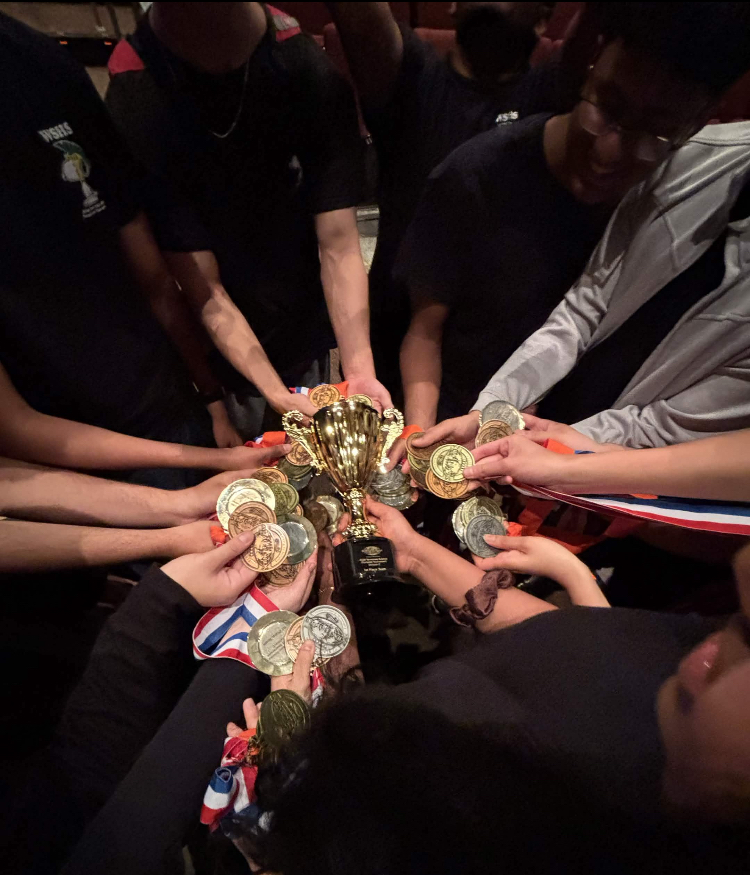
A club with over 150 members, HOSA gives students opportunities to build leadership skills by becoming an officer. Lee’s decision to become co-president has shaped more than her professional ambitions, teaching her how to lead a large group of people and manage her schedule.
“Getting involved in leadership was scary, but it was also a risk I was willing to take because I knew it was something that would help me grow a lot as a person,” Lee said. “I’d say getting involved in HOSA as soon as possible is probably your best opportunity, not just to earn leadership because earning leadership is good for your college applications and resume, but [because] it’s also good to build character.”
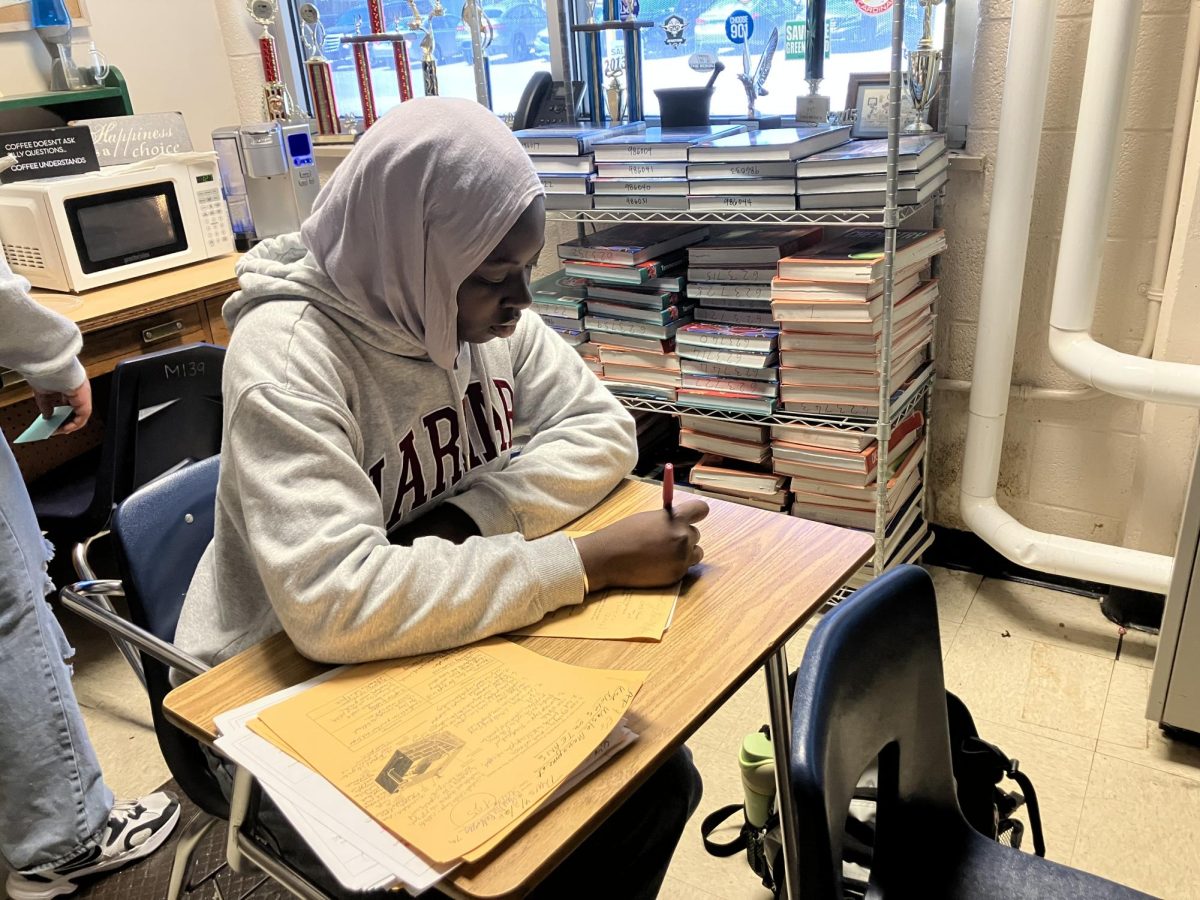
For Kone, HOSA was an opportunity to discover more about the medical field and helped her decide on a career in audiology over one in other areas of STEM. HOSA also allows students to meet people of all grade levels with similar interests and can become a tight-knit community.
“HOSA and the competitions, the speakers, everything there — it made me reconsider what I wanted to do … and it was the medical field,” Kone said. “It also helps you gain a lot of new relationships. A lot of the friends that I know now, I’ve met them through HOSA … It’s probably one of the highlights of high school. It’s one of the things I will miss.”